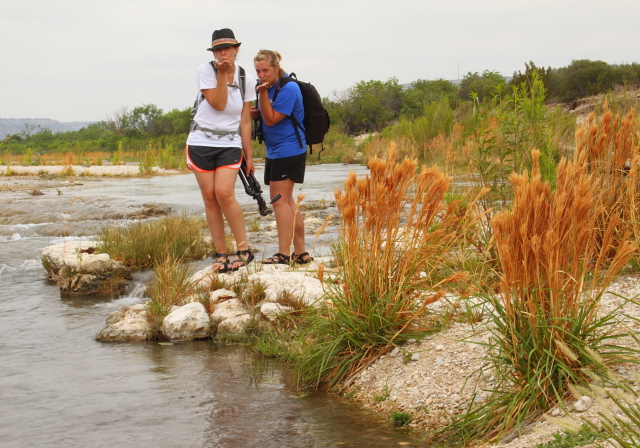
A smattering of scenics (and other “pretty” things).

Here are just a few images, primarily scenic, but also some other “pretty things”, from Australia, Belize, Kazakhstan, and the USA.

A few from Australia to start with.

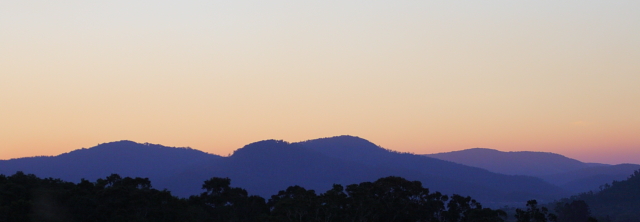
Atherton Tablelands, QLD.


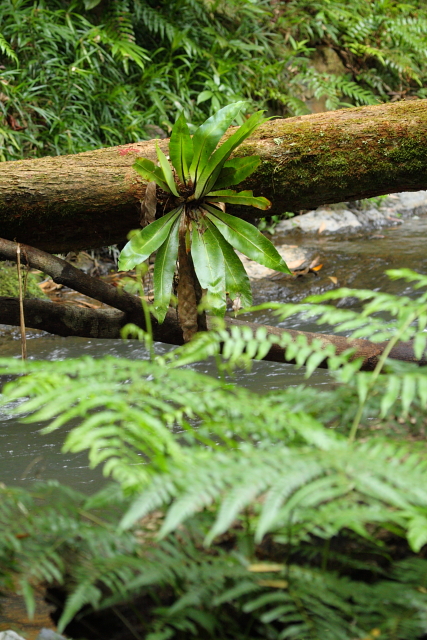
Melaleuca trees, QLD.


Atherton Tablelands, QLD.


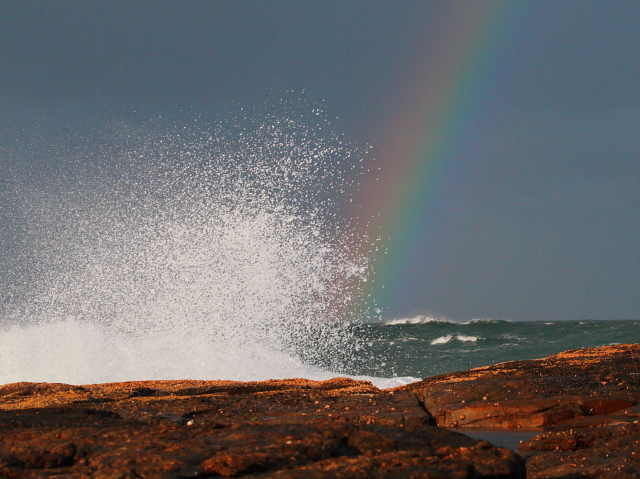
Iluka, NSW.


Iluka, NSW.


The view from our hut (10.5′ x 10.5′) when we lived on an atoll, 30 miles offshore Belize.

Little Calabash Caye, Turneffe Atoll, Belize.


The color in this image on the Caspian Sea (Kazakhstan) is due to light interacting with dust particles blown off the surrounding desert – lots of nutrients for primary production in this sea.

Caspian Sea, Kazakhstan.


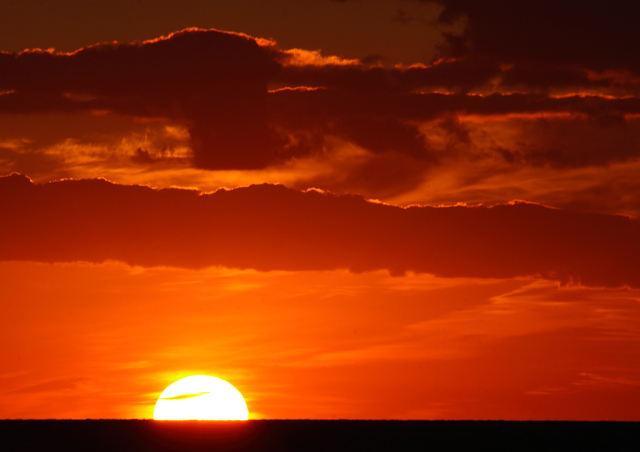
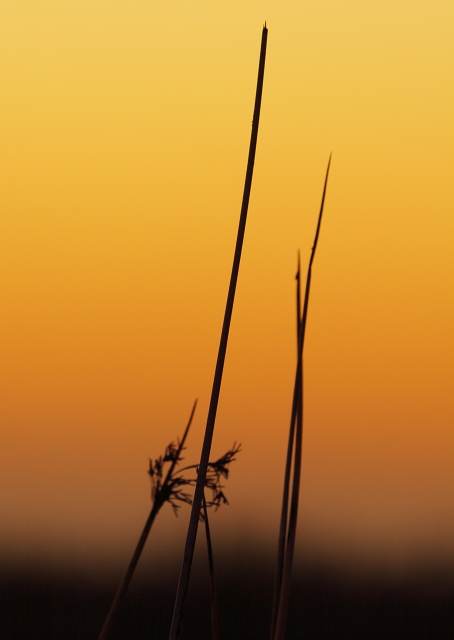
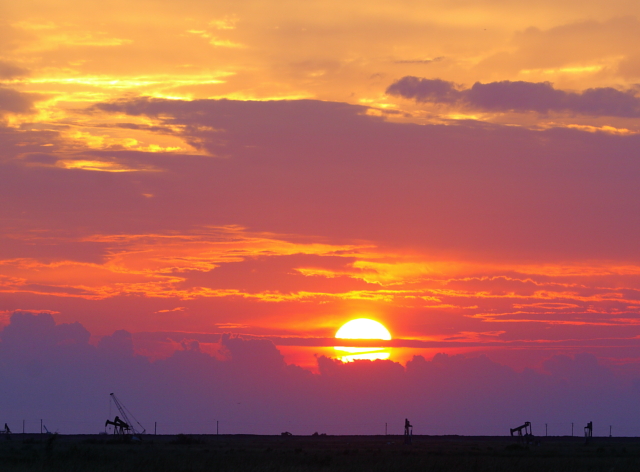
The remaining images are from the USA. This is a Gulf of Mexico sunset.

Florida, USA


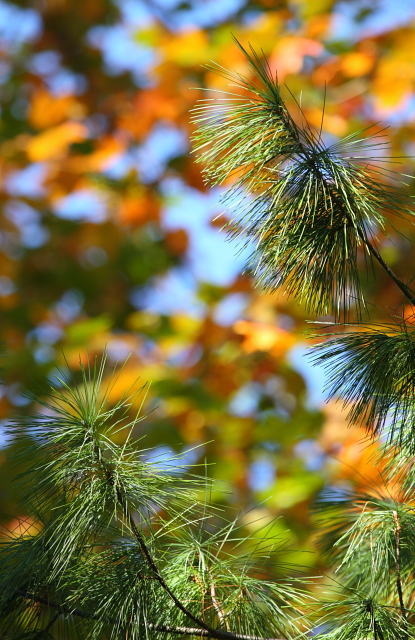
Fall color in Tennessee.

Knoxville, Tennessee, USA.


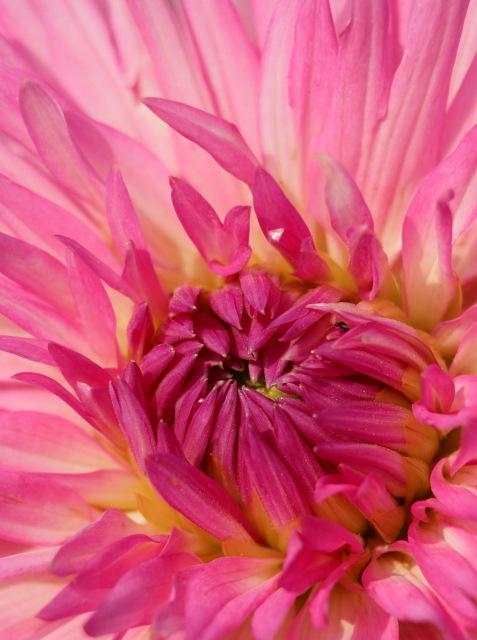
A dahlia in our garden (Texas).

Near Galveston, Texas, USA.


I like to garden.

Knoxville, Tennessee, USA.


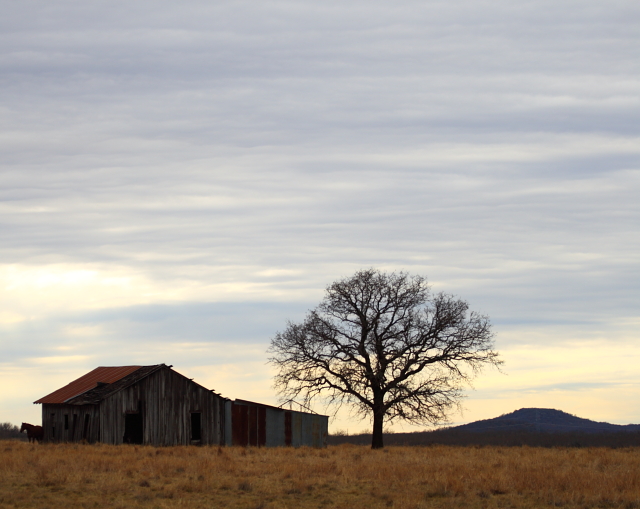
The following three images are in Knox County, Texas.

Texas, USA.


Texas, USA.


Texas, USA.


Wildflowers in the Texas hill country.

Texas, USA.


Salt flat in west Texas.

Texas, USA.


Another in Texas.

Texas, USA.


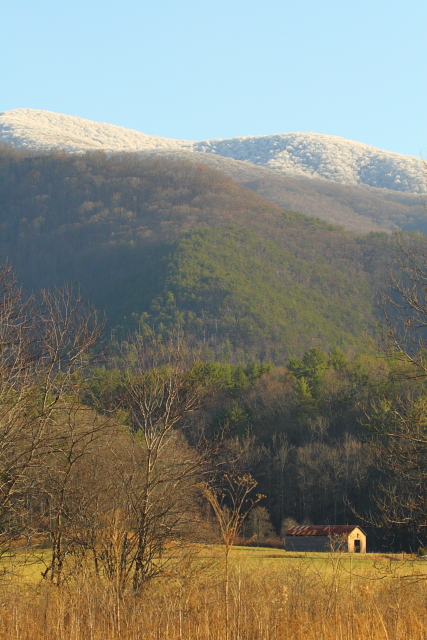
Christmas in the Smoky Mountains, Tennessee (times two).

Great Smoky Mountains National Park, Tennessee, USA.


Great Smoky Mountains National Park, Tennessee, USA.


Two sunsets on Bolivar Peninsula, Texas, approximately 18 months after Hurricane Ike swept through.

Bolivar Peninsula, Texas, USA.


Bolivar Peninsula, Texas, USA.


Sunset over the refineries of Texas City. Shot from the east end of Galveston Island.

Texas City, Texas, USA.


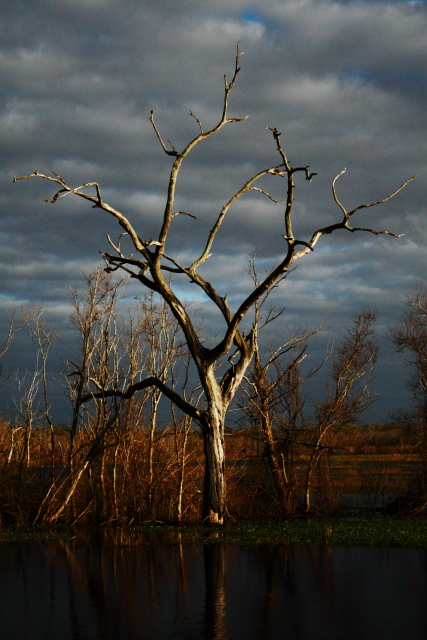
Brazos Bend State Park, Texas.

Brazos Bend State Park, Texas, USA.


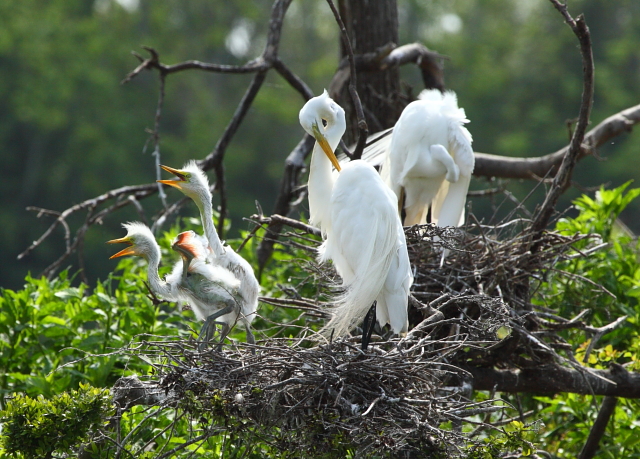
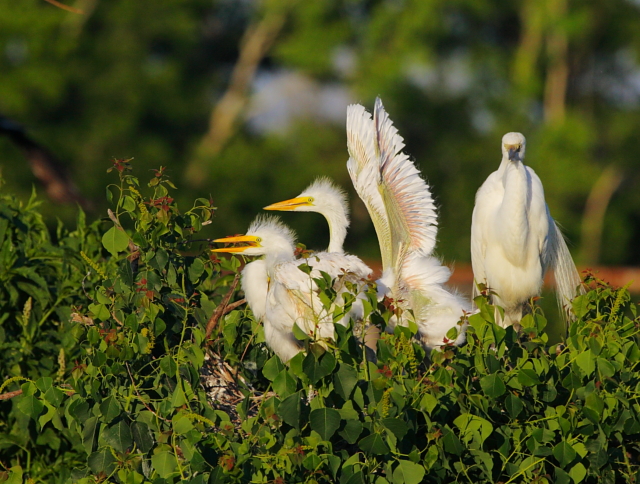
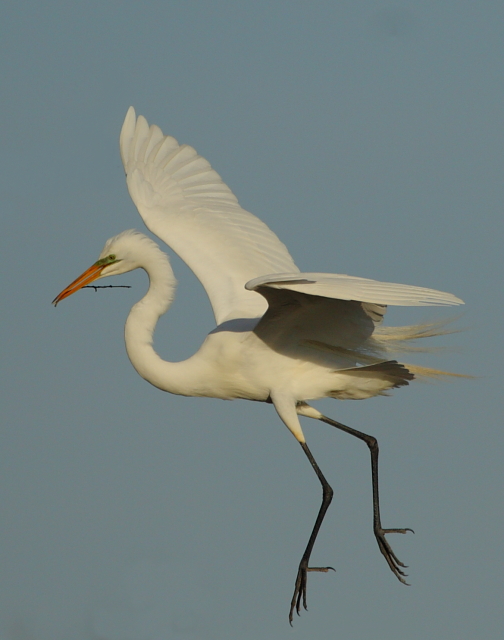
An avian assortment.

Ah, a little free time for me having just completed the draft of my Master of Marine Resources Management Thesis! Typically I like to spend my “discretionary” time outside, often as a birdwatcher; however, it is mid-summer and we are deep in drought so not a lot going on other than “resident” species. Therefore, I have selected an assortment of the bird species I have photographed to share with you. The images were shot either in Australia, Belize, or the USA.

Enjoy!

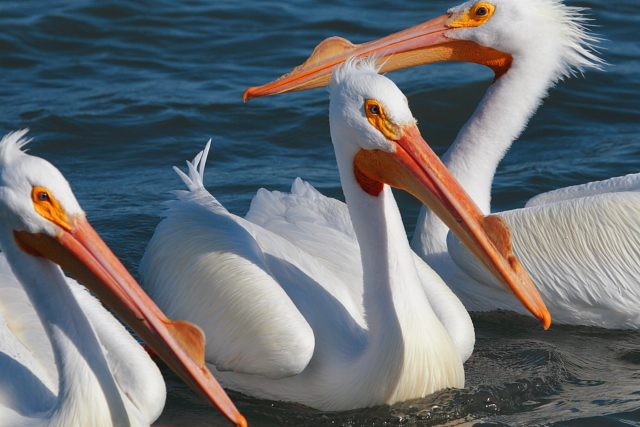
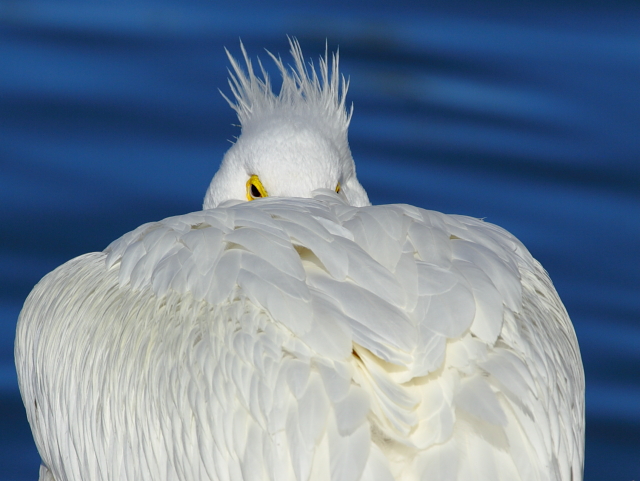
American White Pelican, USA.


American White Pelican, USA.


Australian Pelican, Australia.


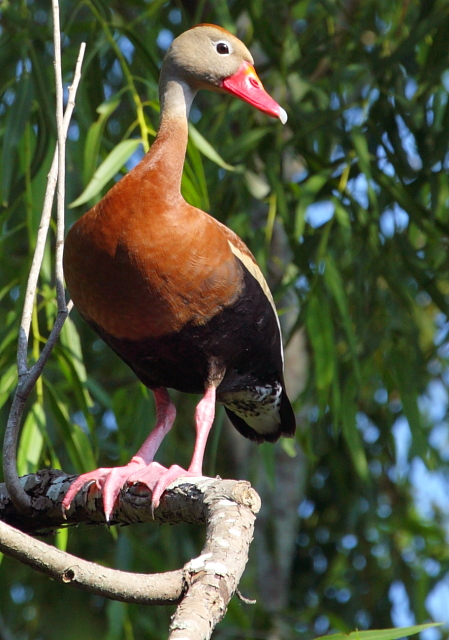
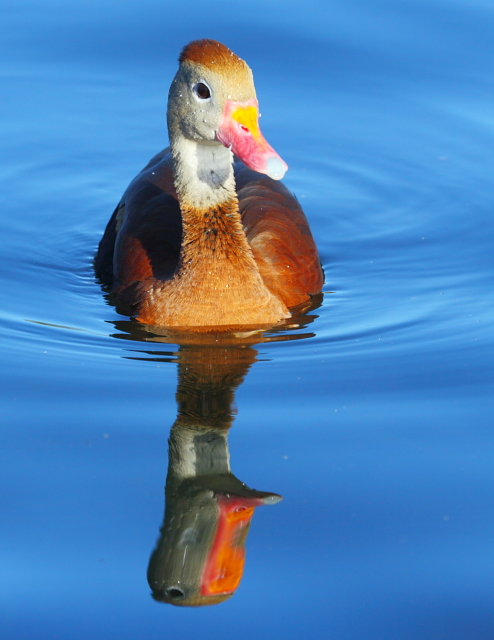
Black-bellied Whistling-Duck, USA.


Black-bellied Whistling-Duck, USA.


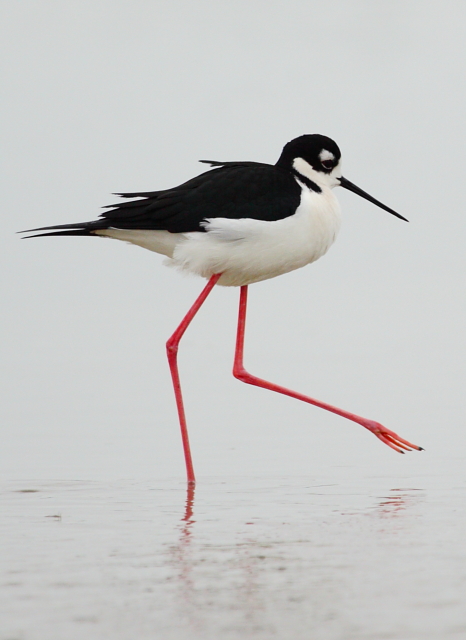
Black-necked Stilt, USA.


Black-necked Stilt, USA.


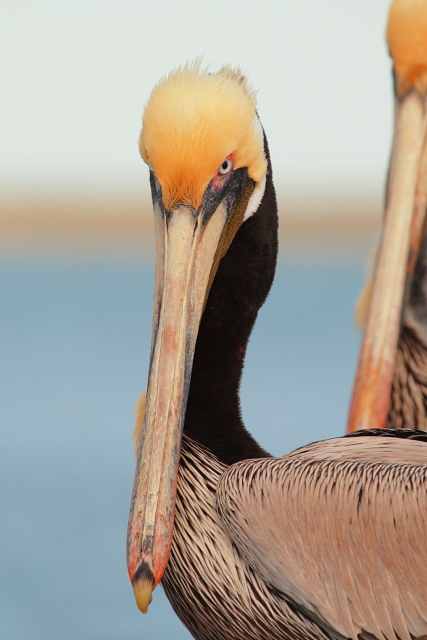
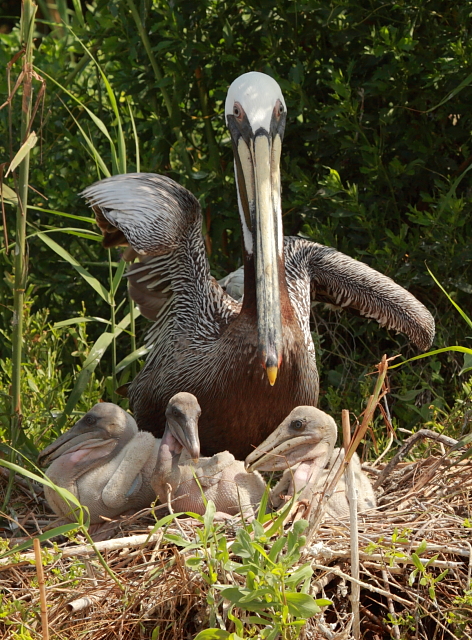
Brown Pelican, USA.


Brown Pelican, USA.


Brown Pelican, USA.


Brown Pelican, USA.


Cedar Waxwing, USA.


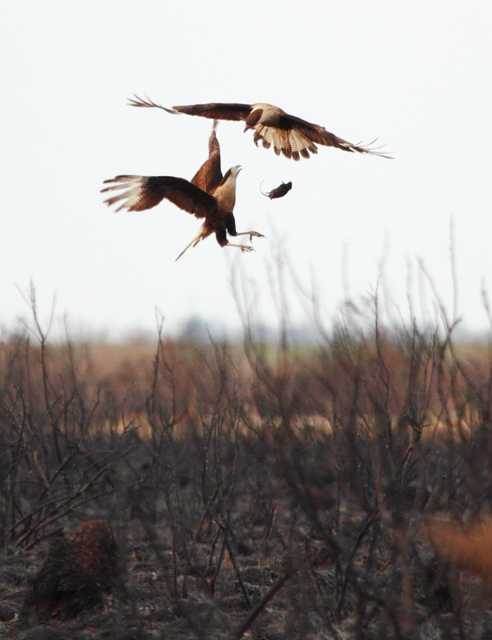
Crested Caracara, USA.


Eared Grebe, USA.


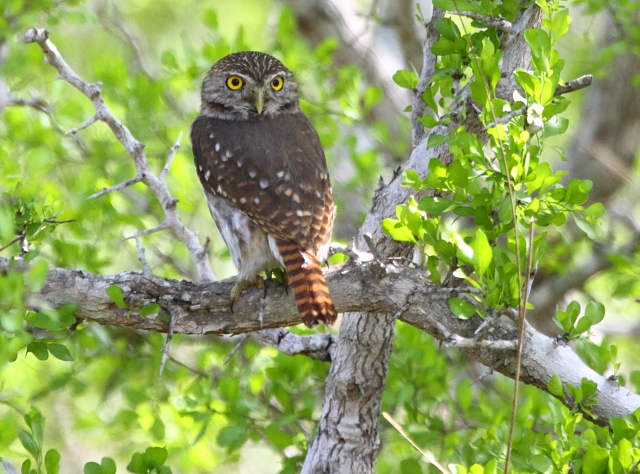
Ferruginous Pygmy-Owl, USA.


Fork-tailed Flycatcher, USA.


Fork-tailed Flycatcher, USA.


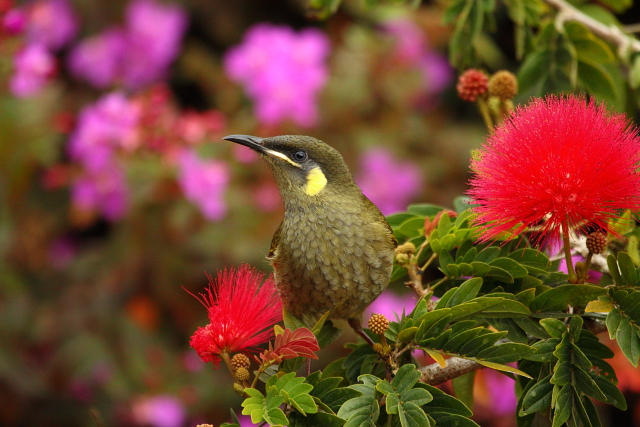
Graceful Honeyeater, Australia.


Greater Yellowlegs, USA.


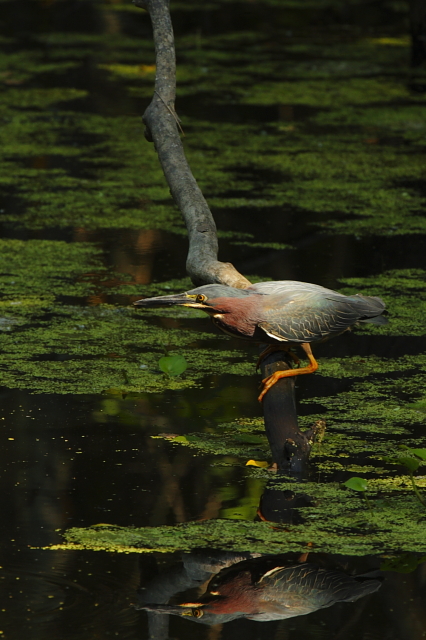
Green Heron, USA.


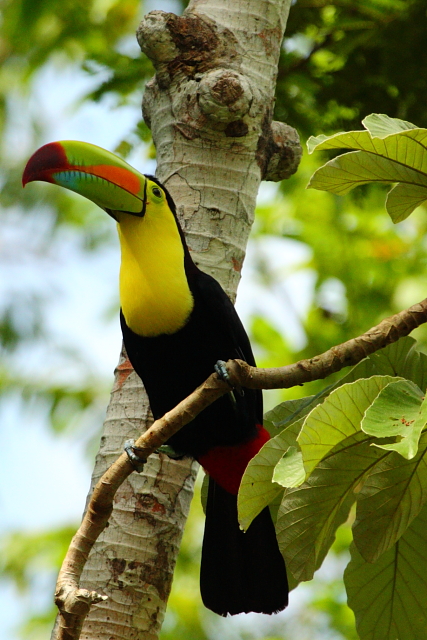
Keel-billed Toucan, Belize.


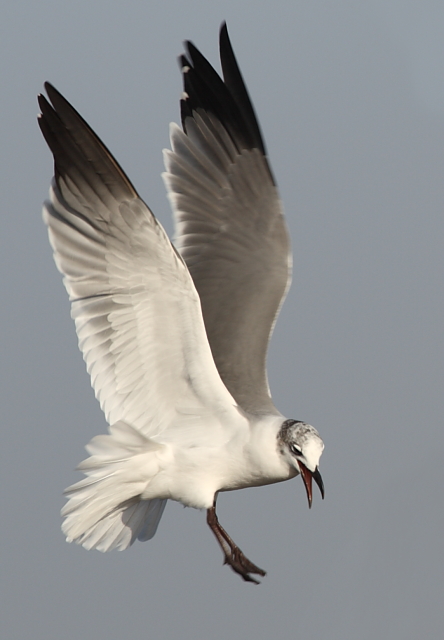
Laughing Gull, USA.


Laughing Gull, USA.


Long-billed Curlew, USA.


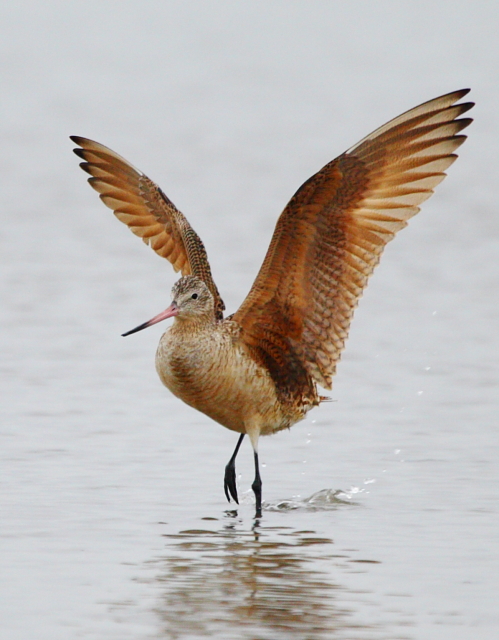
Marbled Godwit, USA.


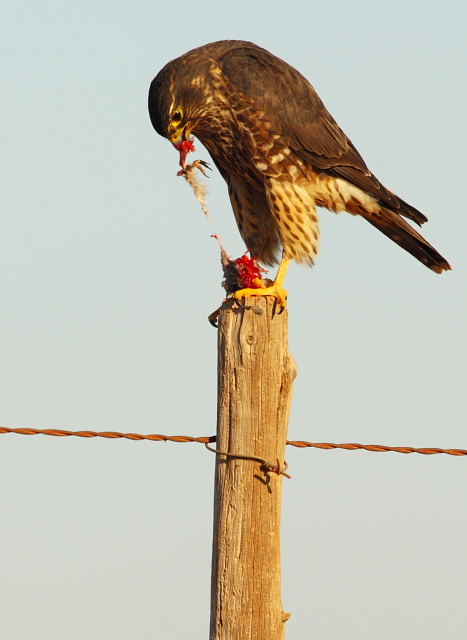
Merlin, USA.


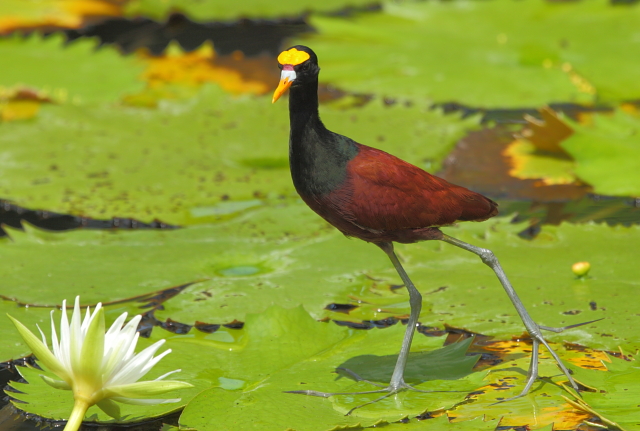
Northern Jacana, Belize.


Northern Jacana, Belize.


Osprey, USA.


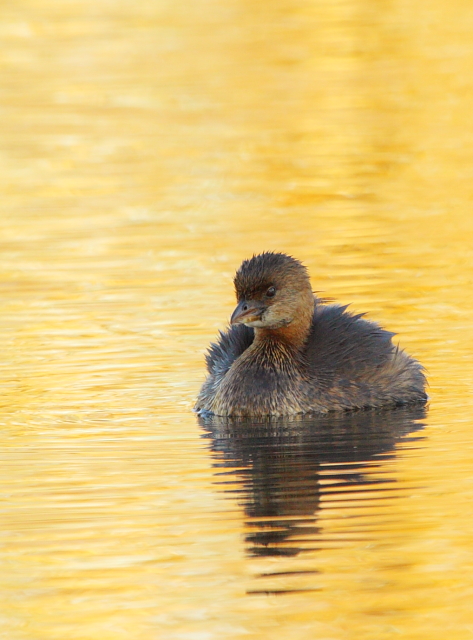
Pied-billed Grebe, USA.


Pied-billed Grebe, USA.


Purple Gallinule, USA.


Rainbow Lorikeet, Australia.


Rainbow Lorikeet, Australia.


Redhead, USA.


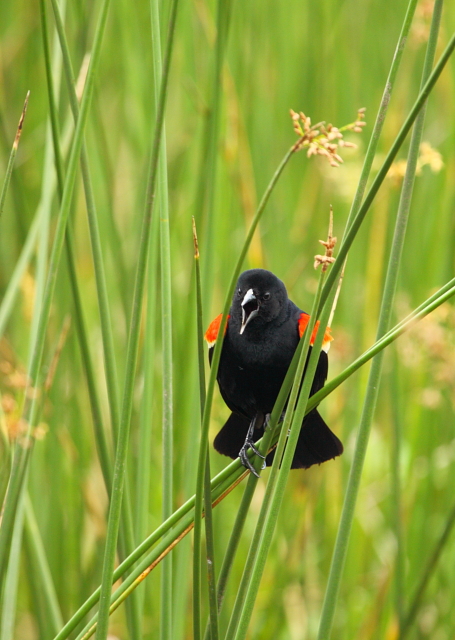
Red-winged Blackbird, USA.


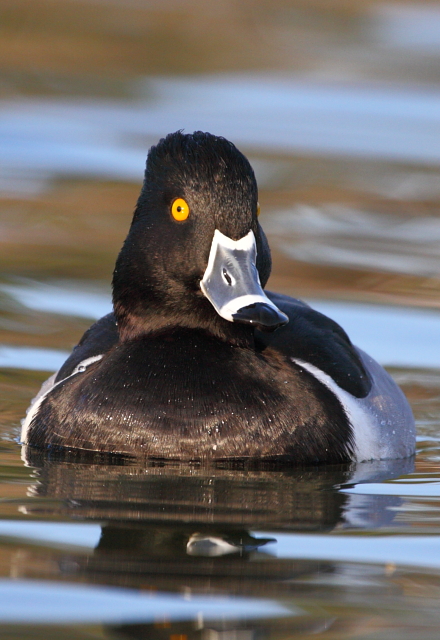
Ring-necked Duck, USA.


Ring-necked Duck, USA.


Roseate Spoonbill, USA.


Rose-breasted Grosbeak, USA.


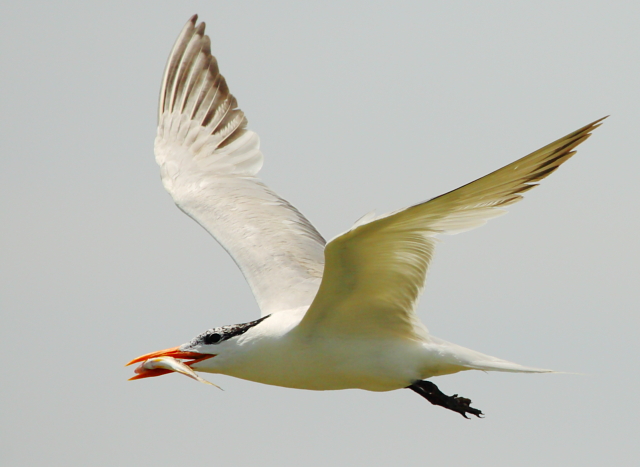
Royal Tern, USA.


Sanderling, USA.


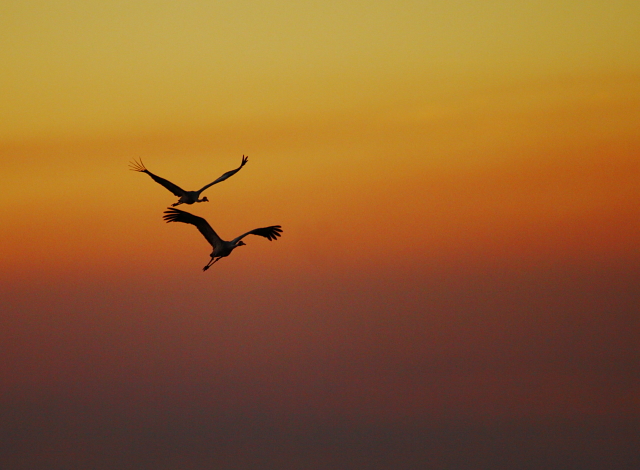
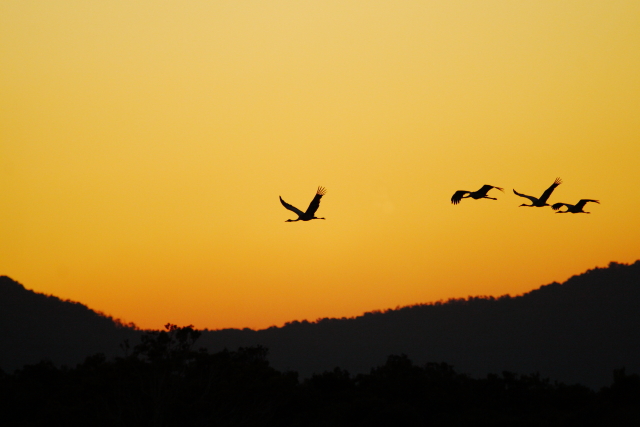
Sarus Crane, Australia.


Sarus Crane, Australia.


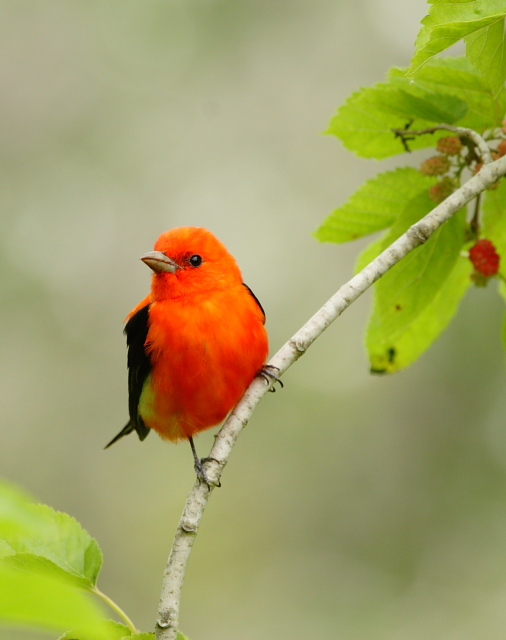
Scarlet Tanager, USA.


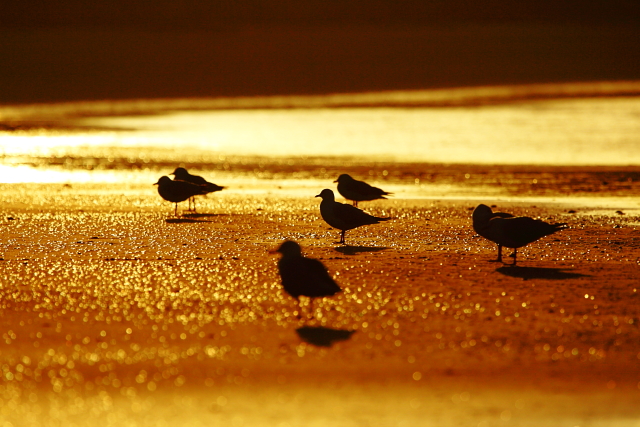
Silver Gull, Australia.


Silver Gull, Australia.


Silvereye, Australia.


Snail Kite, Belize.


Sulphur-crested Cockatoo, Australia.


Sulphur-crested Cockatoo, Australia.


Tricolored Heron, USA.


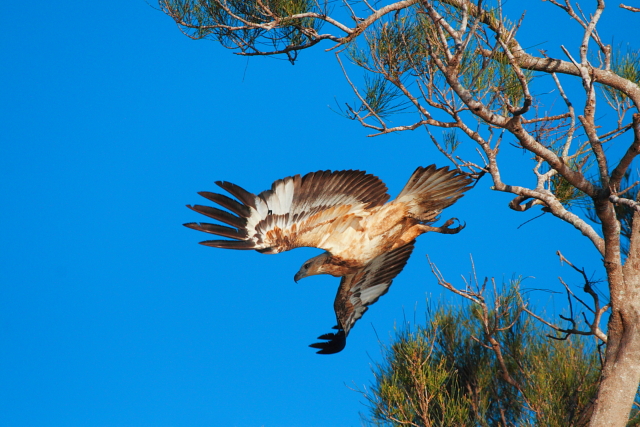
Wedge-tailed Eagle, Australia.


Willet, USA.


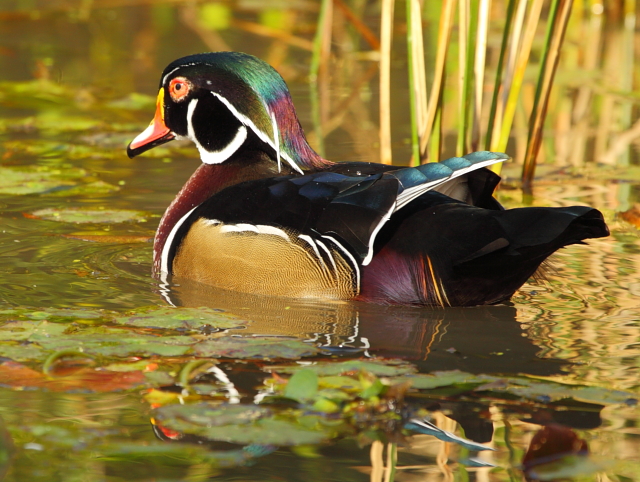
Wood Duck, USA.


Wood Duck, USA.


Yellow-crowned Night-Heron, USA.


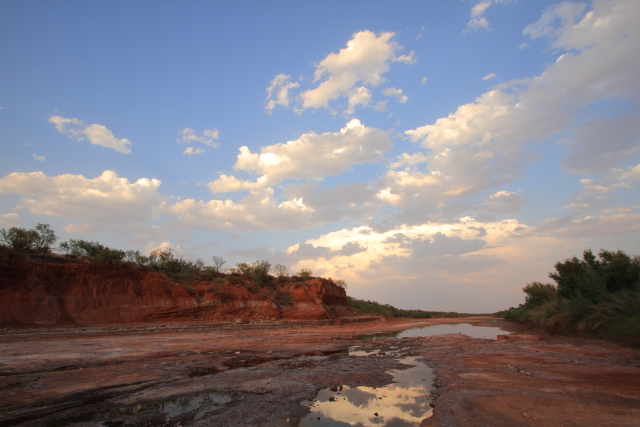
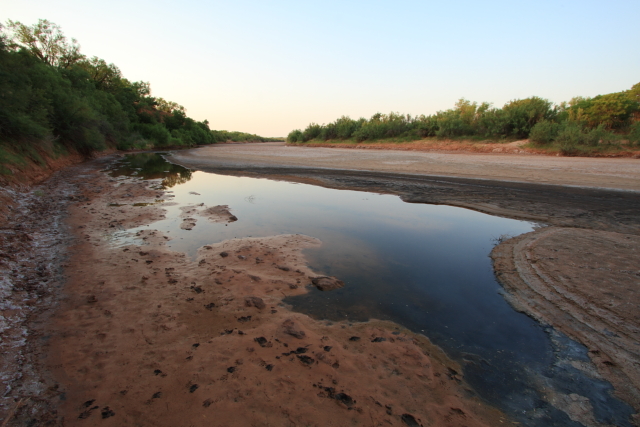
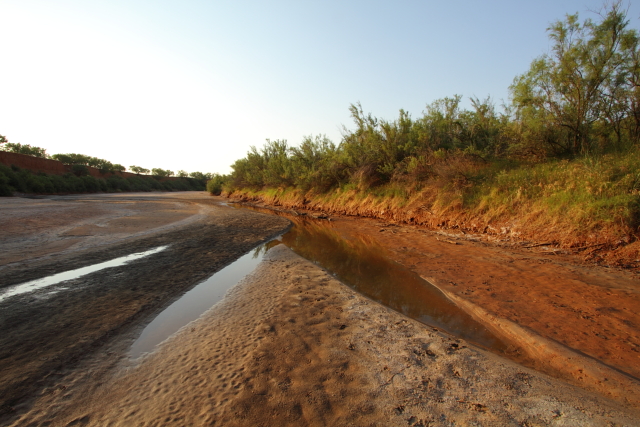
The “Roaring Lion” (Brazos River) is dry!

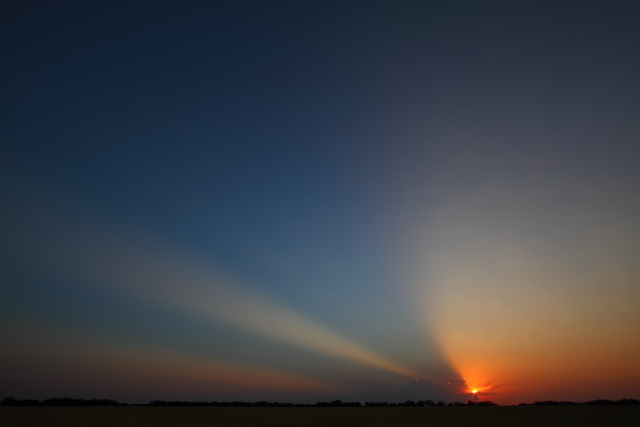
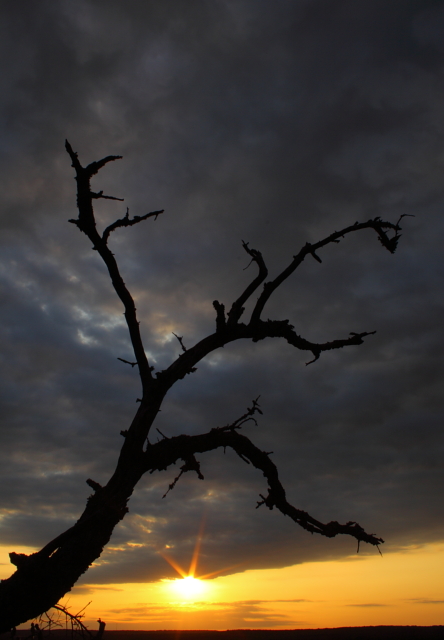
A southern plains dawn - radiating radiation above a wheat field abutting the Brazos riparian zone.


As the sun awakes
 and pokes its head out from under its bedcovers, caressing me with a startling, crisp, and clear light, I ponder and reflect on open spaces, friends, dreams, and the joy of a life intimately shared.

I recently travelled up to the upper section of the Brazos River to photograph it in its current very-low-flow regime. My host and guide was the fabulous photographer, and Texas treasure, Wyman Meinzer. This sunrise image was taken on our last morning shoot. I was very fortunate to test my latest lens, the Canon EF-S 10-22mm f/3.5-4.5 USM autofocus lens for my 7D camera – I am delighted with it!

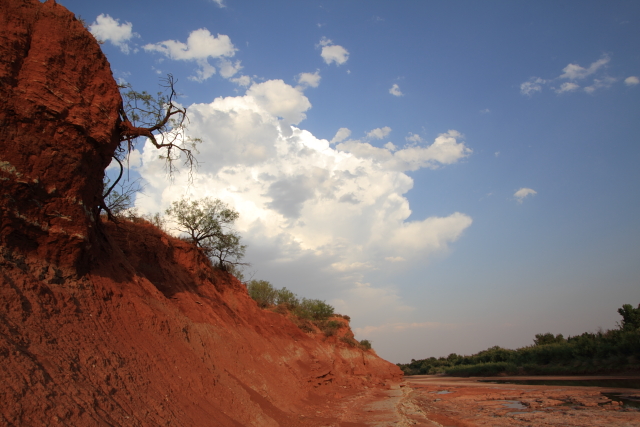
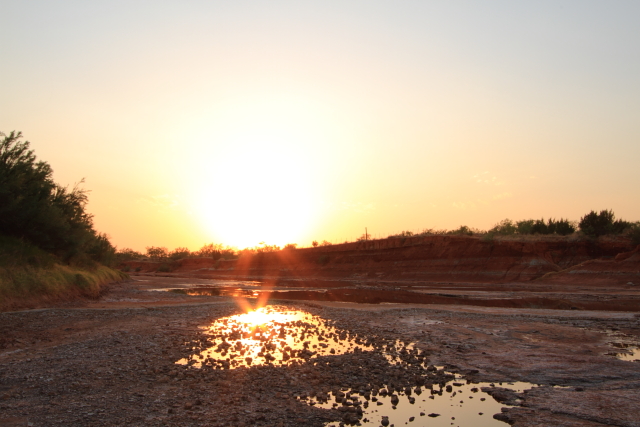
The following images are a sample through which the severity of this historic drought can be partially comprehended. Seeing the river in this state illustrated that these natural systems are indeed “living”, and not a static, benign, undepletable featureless feature.

Please note: the water shown in these photos are actually isolated, shallow, and unconnected “pockets” of very hot, highly saline, and by my estimation hypoxic/anoxic stagnant water. The river no-longer (for now at least) cuts a swath through this gorgeous red land. Instead of a red load we see a red-bed caked and crusted with concentrations of organics and crystals of salt – this is gypsum country.


Despite the dry
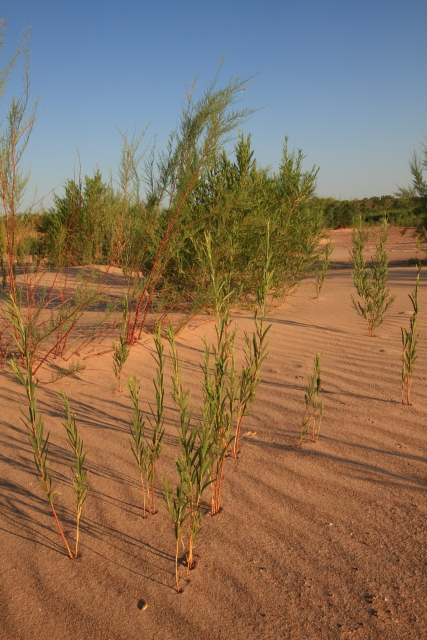
I am reminded that nature possesses a resounding resilience; natural processes and time, along with selection pressures and genetic diversity, allow adaptability, specialists and generalists, transition, recolonization, and succession – the river system still sustains life.


Someday
(hopefully very soon as many fine hard-working folks, along with flora and fauna, are enduring challenging times) the Brazos will rear up and roar again; at that time the rust colored strata will cease to be dust, instead, renewed by glistening life-flows, the southern plains shall be resuscitated and exuberant in the water of life.


May 11-22, 2011: The Junction experience with Wyman Meinzer

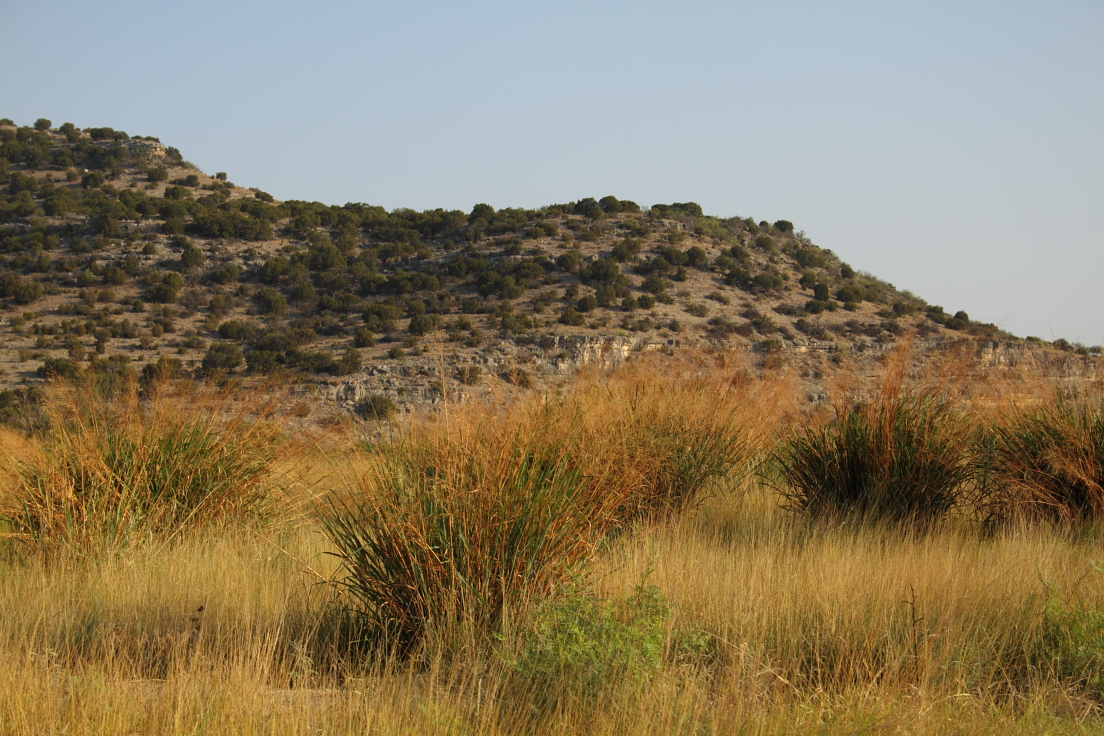
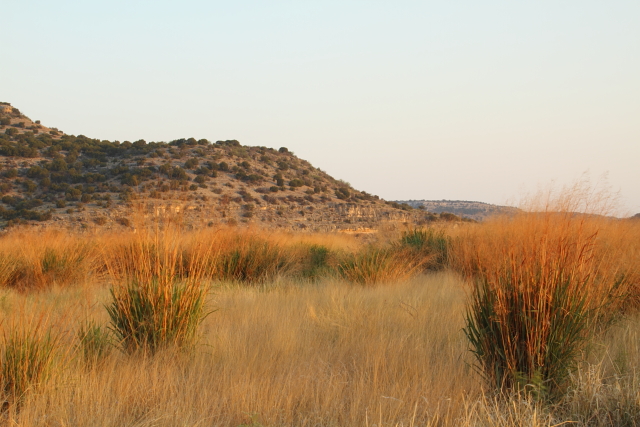
Two weeks based out of the Texas Tech University campus at Junction, Texas, shooting with Wyman Meinzer and others. Conditions are very dry yet beauty abounds. What follows is a sample of the images captured from various locales visited.


Day 1: 05/12/2011

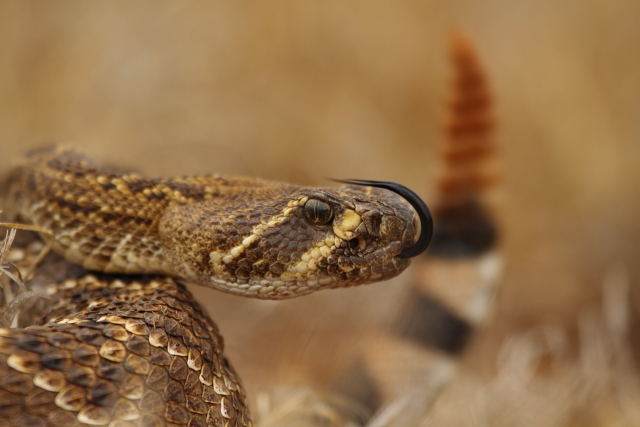
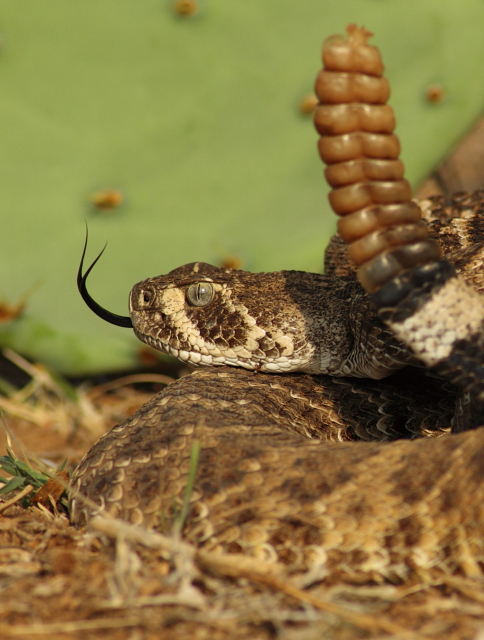
Started out up nice and close with a western diamondback rattlesnake.


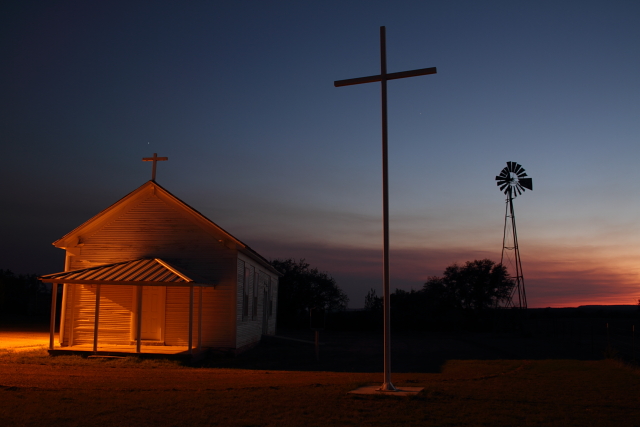
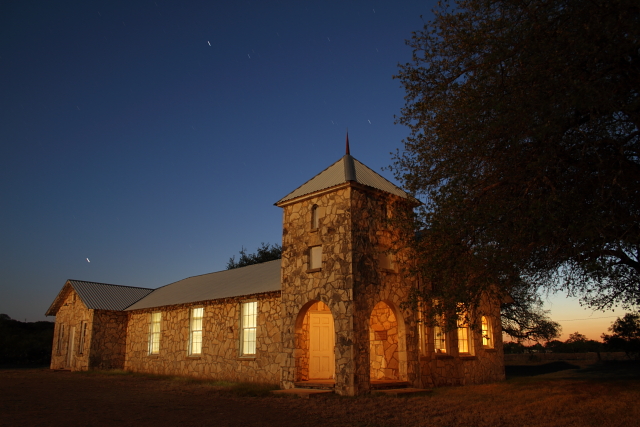
Then off to “paint” a Church at night. Wyman does all the work and we just compose and shoot the image. This image was actually taken pre-painting, as there was a pretty sunset and the “street” light (on left, out of frame) was providing sufficient light on the left to balance the sunset light on the right.
Day 2: 05/13/2011
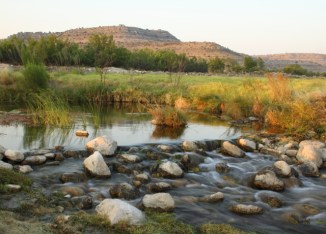
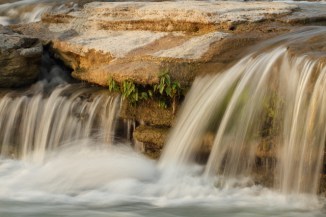
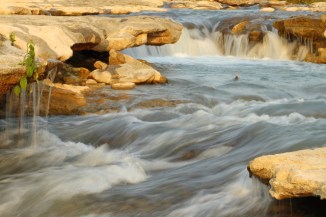
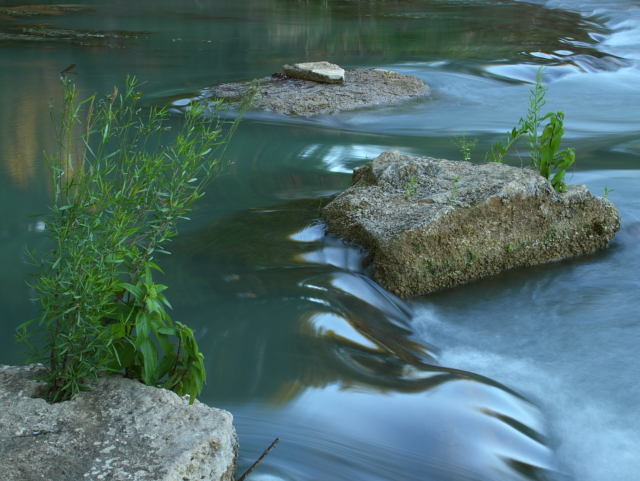
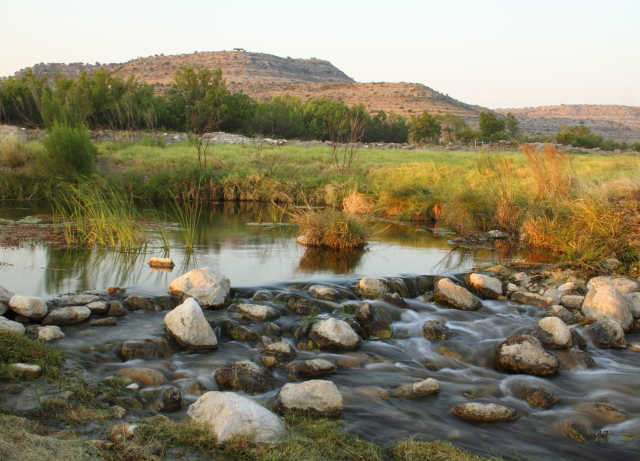
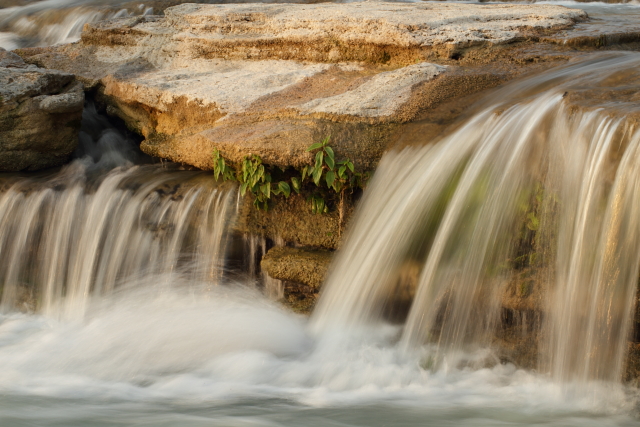
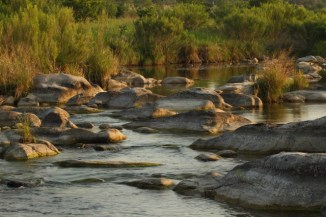
Morning shoot of rapids on the Upper Llano River.
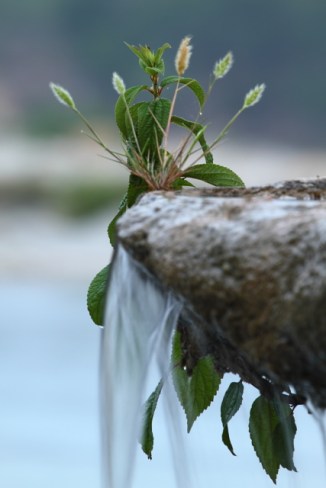
 

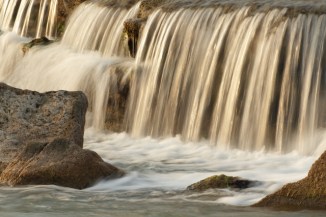
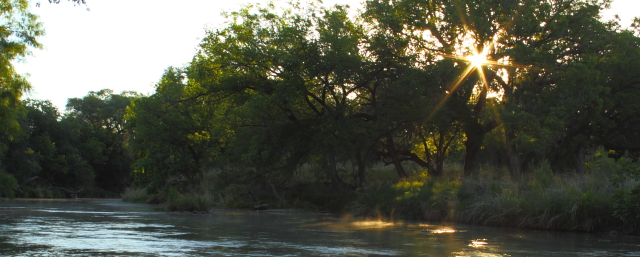
Evening shoot on the Llano River.


Day 3: 05/14/2011
More Llano River images – this time from the gorgeous property of artist Bill Worrell.


These next few images were taken with moonlight – a wet and chilly shoot.


This next series is from a different location on the same river.


Day 4: 05/15/2011
Mason Mountain Wildlife Management Area – a very dry though still magnificent location.

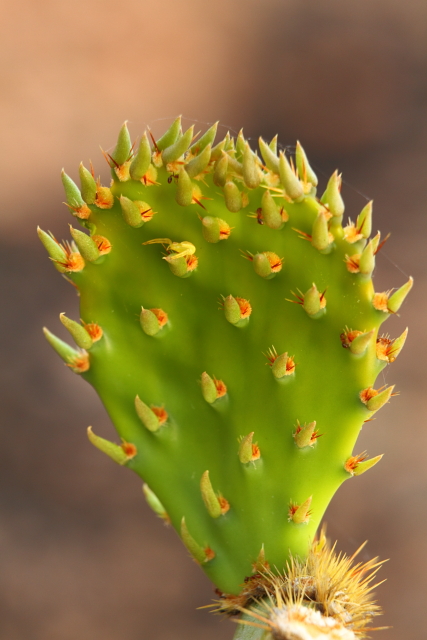
Three looks at prickly pear cactus:
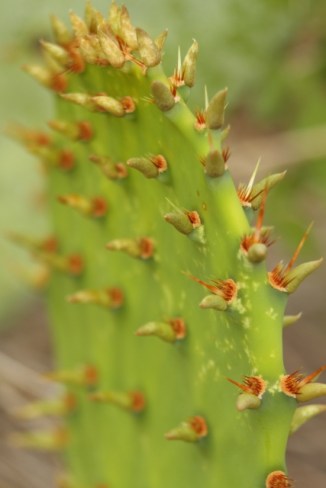
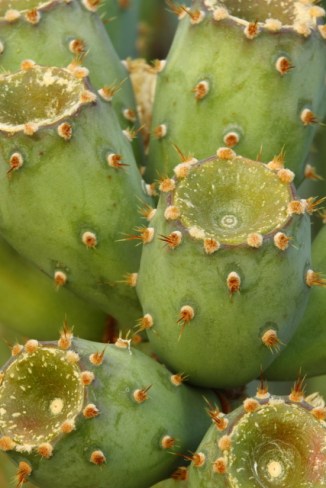


Dusk
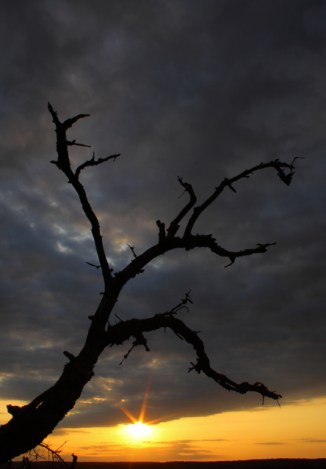
 

And then it was dark…
another “painting” – Wyman was running back and forth in the dark and somehow didn’t fall whilst painting.


Day 5: 05/16/2011
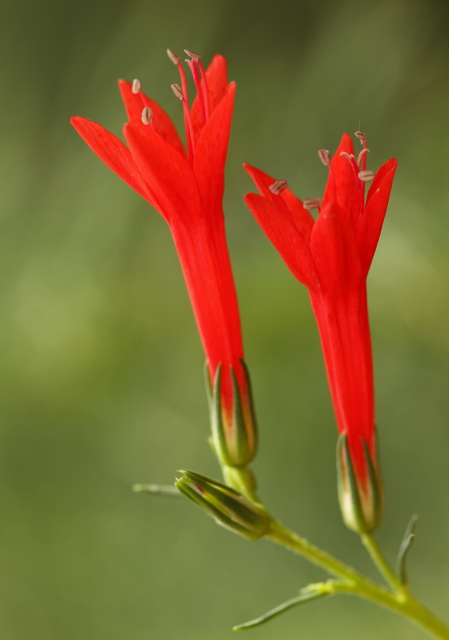
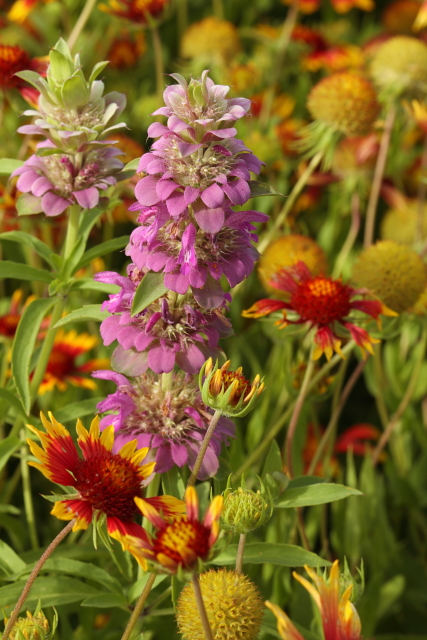
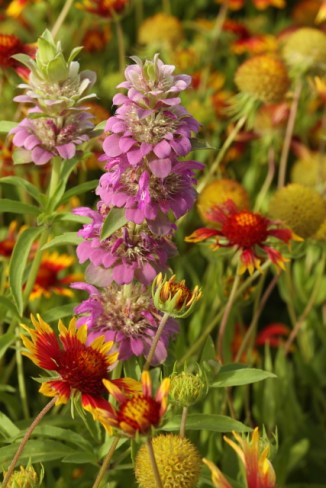
The following flower images were captured at Native American Seed company.


Church at dusk – another splendid paintjob by Wyman Meinzer.


Day 6: 05/17/2011
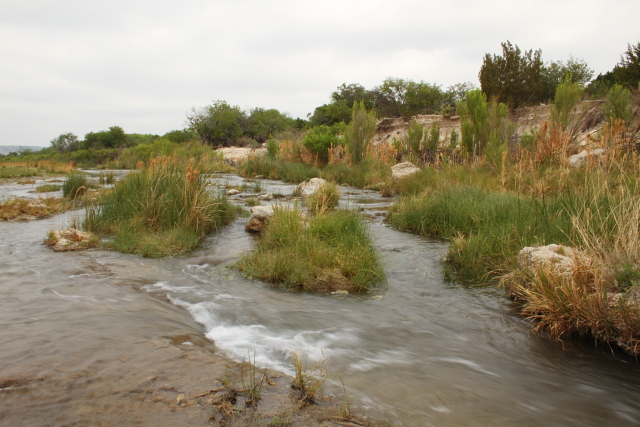
Independence Creek Preserve is a holding of The Nature Conservancy. The artesian spring contributes significantly to the Pecos River. The riparian area is truly in contrast to the desert region surrounding it.

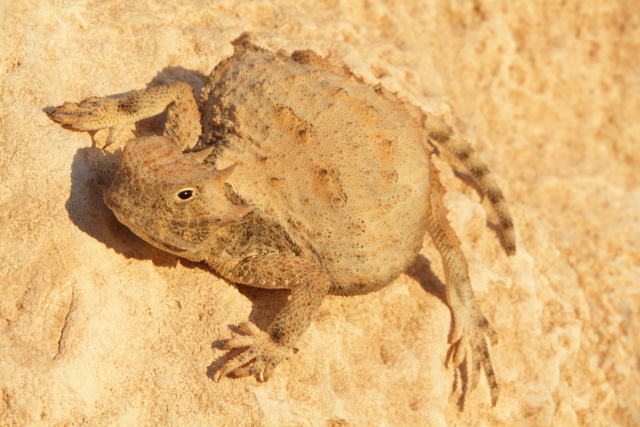
The following two images are of a Round-tailed Horned Lizard.


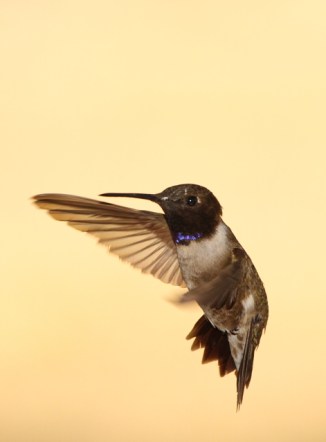
Here is a Black-chinned Hummingbird:
 

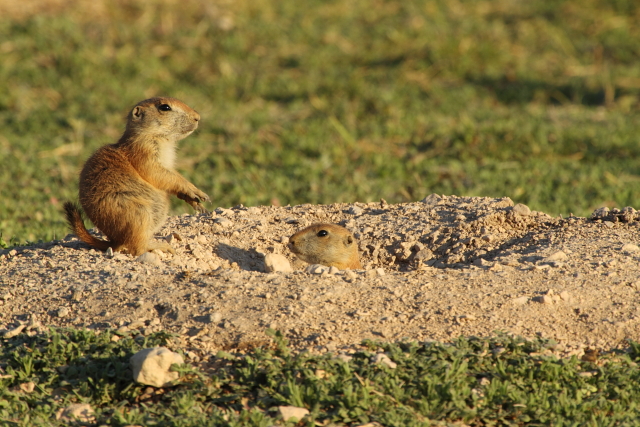
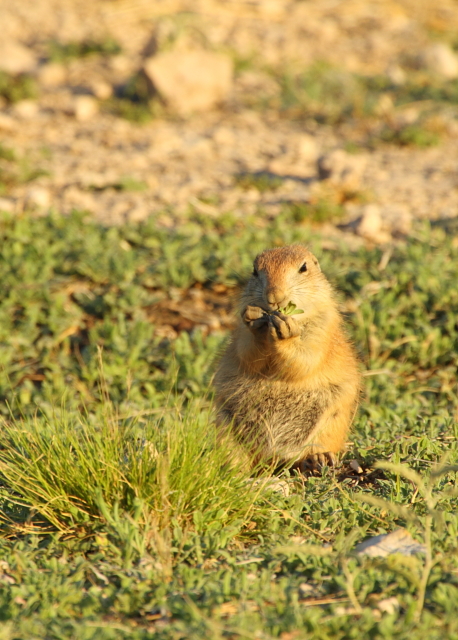
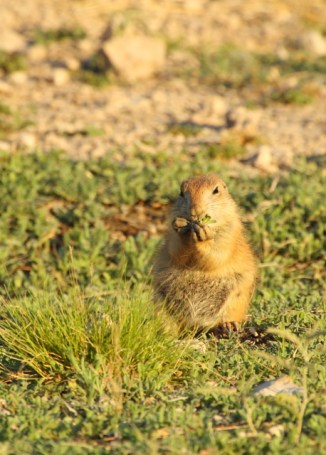
and here are some black-tailed prairie dogs:


Day 7: 05/18/2011

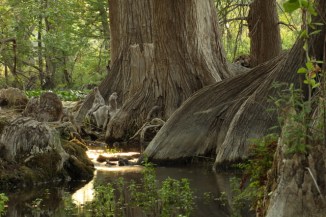
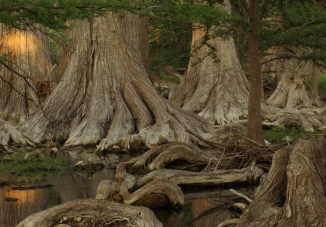
A typical scene at Independence Creek.


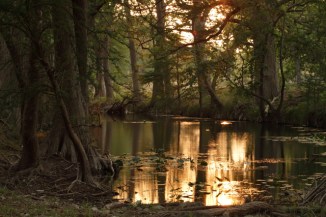
and another:


This scene is a result of a beaver dam on a seep that feeds into the main creek:
Day 8: 05/19/2011

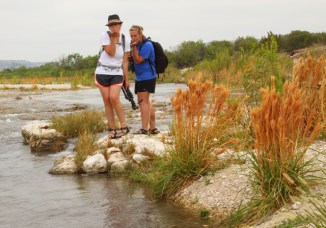
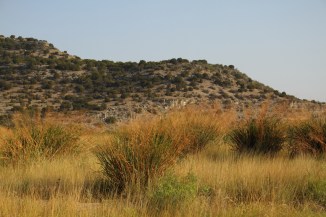
More “typical” views:


Day 9: 05/20/2011

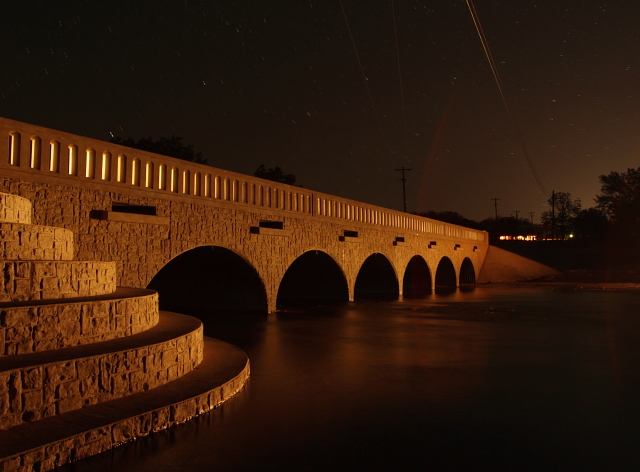
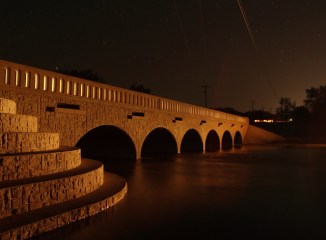
Back at Junction. New bridge leading to the Texas Tech at Junction campus painted by who else but Wyman:
 

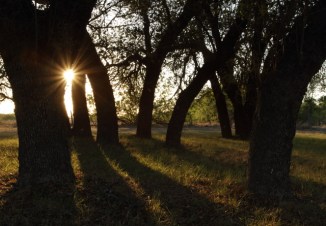
Another night shoot so captured these oaks at dusk:
Day 10: 05/21/2011

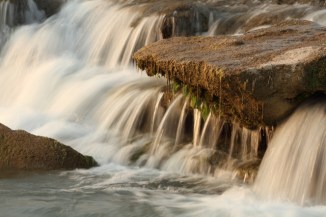
Back to 377 Falls.


Day 11: 05/22/2011

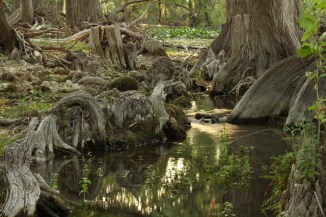
Sabinal River near Utopia.


Day 12: 05/23/2011
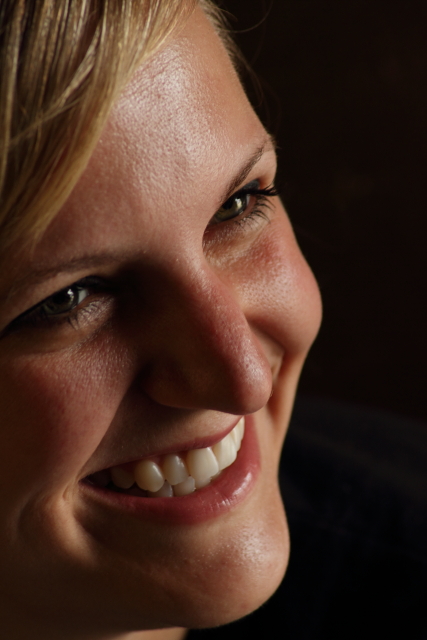
A morning shoot – Portrait work – in a feedstore warehouse with natural light.
“Wild Dave” was the first model:
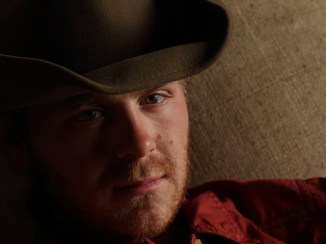


Then Maddee:


Then back to Bill Worrell’s property on the Llano River for an evening shoot:


Day 13: 05/24/2011
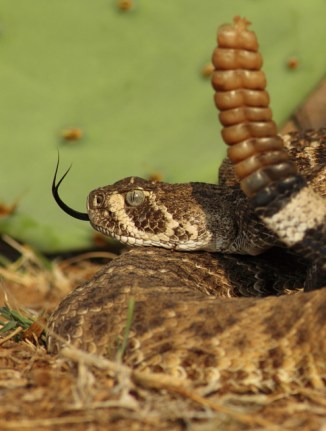
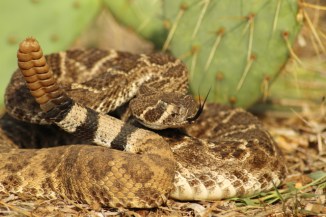
This morning we visited a ranch to image more western diamondback rattlesnakes:


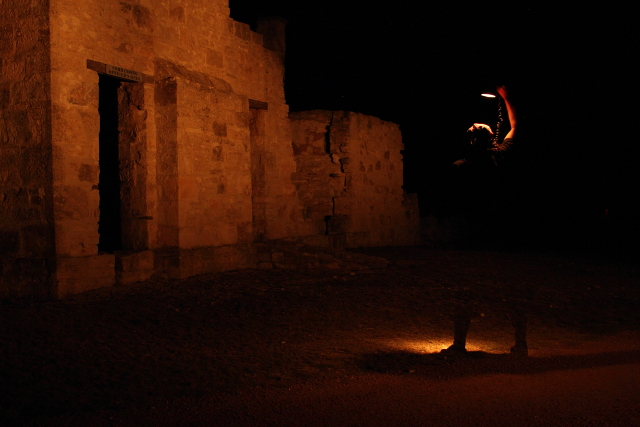
Evening shoot at Fort McKavett – time to ponder the past and the lives of folks back then:


Then another “painting” by Wyman:


After the shoot Wyman and “Wild Dave” wanted to refine a shot they had planned of Wyman “painting”. As they were practicing the shot I grabbed an opportunity shot which changed the approach of the final shot. Here is that first “inspiration” image:


After Wyman and Dave saw the image, we three, along with Trevor White, began to discuss how to create the final image. What follows is the image we decided on shooting (all light painting by Wyman Meinzer):
Day 14: 05/25/2011
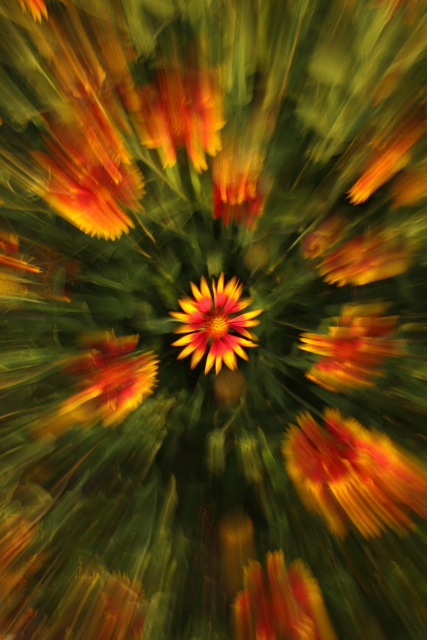
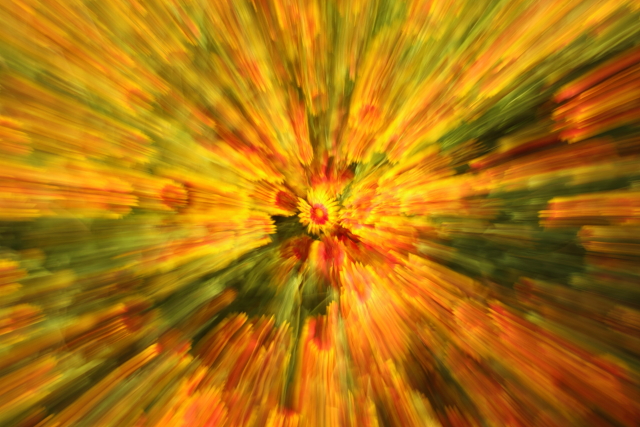
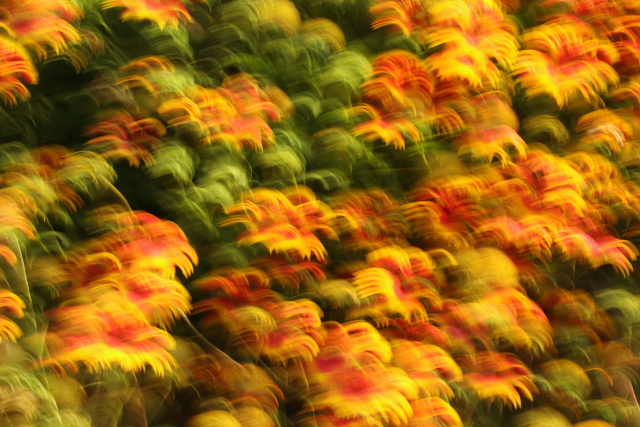
Back to Native American Seed farm – the breeze came up making macro work very challenging so I switched to capturing zoom-blur images instead:


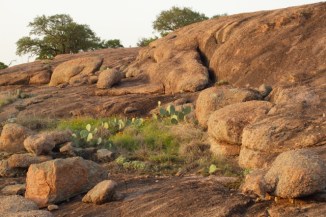
We ventured back to Mason Mountain Wildlife Management Area for our last evening – a time to shoot, visit, and enjoy our last evening as a group. Frienship abounds.


Day 15: 05/26/2011
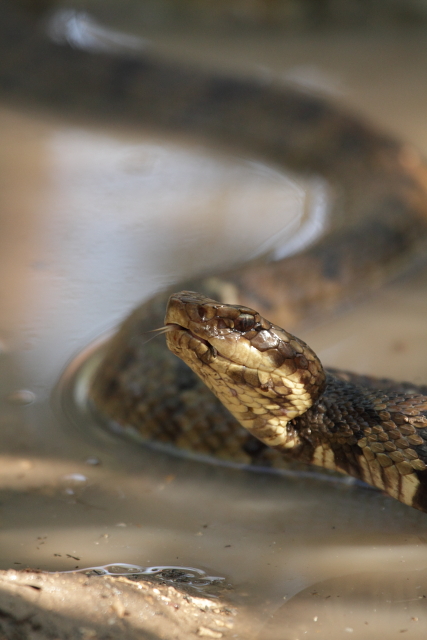
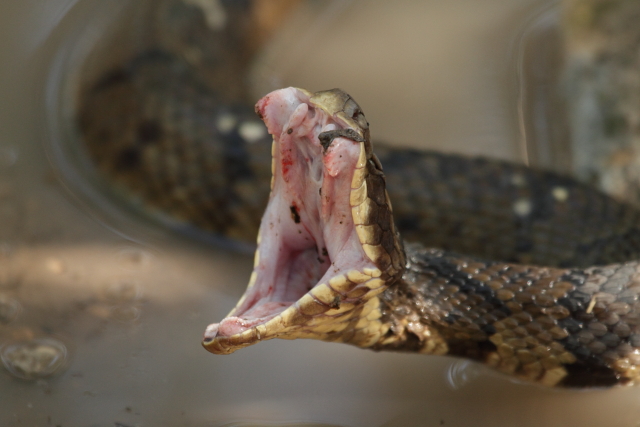
The final shoot was an opportunistic one of a water moccasin and patchnose snake:


So long from Junction.