A very brief trip to the Texas panhandle – Palo Duro Canyon, Cadillac Ranch, and Wind Turbines.

The Texas panhandle is a fascinating region and I spend too little time there unfortunately. Recently I fit in a very quick trip to recharge. Here are a few images from that trip.

Prints of my images are available  if you click on the Licensing/Purchasing images tab on this blog or click this link: https://2amphotography.wordpress.com/licensingpurchasing-images/

All images Copyright Andrew McInnes/2AM Photography.


Wind Turbine 2AM-114791_7D_blog

Wind Turbine 2AM-114791
Canon 7D with Canon 24-105mm f/4L lens. f5.6 for 1/5 second at ISO 1600.
© Andrew McInnes/2AM Photography. All rights reserved.


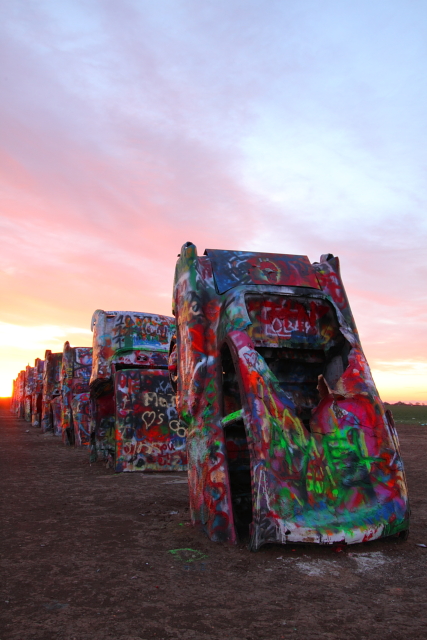
Cadillac Ranch 2AM-114850_7D_blog

Cadillac Ranch 2AM-114850
Canon 7D with Canon 10-22mm f/3.5-4.5 lens. f22 for 1/2 second at ISO 400.
© Andrew McInnes/2AM Photography. All rights reserved.


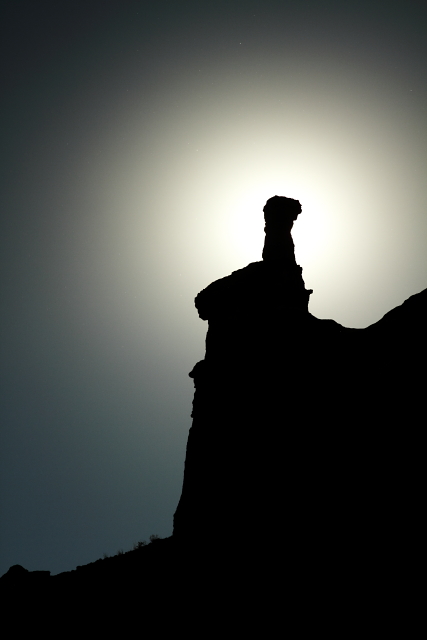
Hoodoo at Capital Peak - Palo Duro Canyon 2AM-114814_7D_blog

Hoodoo at Capital Peak – Palo Duro Canyon 2AM-114814
Canon 7D with Canon 24-105mm f/4L lens. f11 for 1/800 second at ISO 200.
© Andrew McInnes/2AM Photography. All rights reserved.


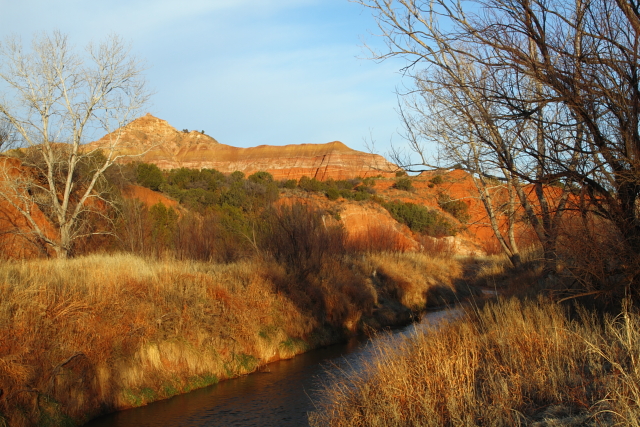
Capital Peak - Palo Duro Canyon 2AM-114896_7D_blog

Capital Peak – Palo Duro Canyon 2AM-114896
Canon 7D with Canon 24-105mm f/4L lens. f22 for 1/13 second at ISO 100.
© Andrew McInnes/2AM Photography. All rights reserved.


Capital Peak - Palo Duro Canyon 2AM-114897_7D_blog

Capital Peak – Palo Duro Canyon 2AM-114897
Canon 7D with Canon 24-105mm f/4L lens. f22 for 1/13 second at ISO 100.
© Andrew McInnes/2AM Photography. All rights reserved.


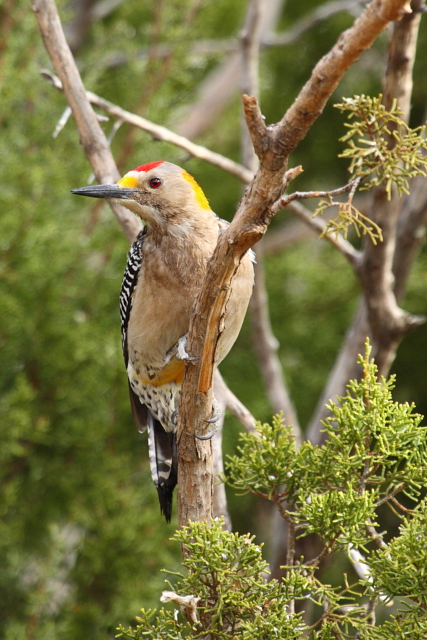
Golden-fronted Woodpecker 2AM-30656_30D_blog

Golden-fronted Woodpecker 2AM-30656
Canon 30D with Canon 100-400mm f/4.5-5.6L lens and Tamron 1.4x teleconverter. f5.6 for 1/320 second at ISO 1000.
© Andrew McInnes/2AM Photography. All rights reserved.


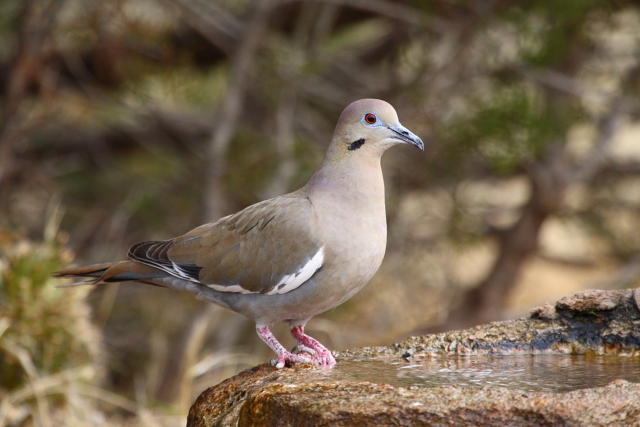
White-winged Dove 2AM-30604_30D_blog

White-winged Dove 2AM-30604
Canon 30D with Canon 100-400mm f/4.5-5.6L lens and Tamron 1.4x teleconverter. f5.6 for 1/160 second at ISO 1000.
© Andrew McInnes/2AM Photography. All rights reserved.


The Lighthouse - Palo Duro Canyon 2AM-114886_7D_blog

The Lighthouse – Palo Duro Canyon 2AM-114886
Canon 7D with Canon 10-22mm f/3.5-4.5 lens. f22 for 1/250 second at ISO 400.
© Andrew McInnes/2AM Photography. All rights reserved.


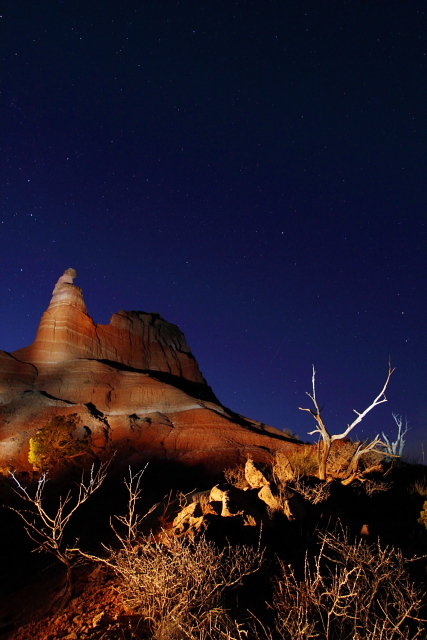
Hoodoo at Capital Peak - Palo Duro Canyon 2AM-114844_7D_blog

Hoodoo at Capital Peak – Palo Duro Canyon 2AM-114844
A light-painting.
Canon 7D with Canon 10-22mm f/3.5-4.5 lens. f8 for 30 seconds at ISO 1600.
© Andrew McInnes/2AM Photography. All rights reserved.


That is the end of this little adventure. Thanks for visiting!


Great Southern Region – Australia’s South West

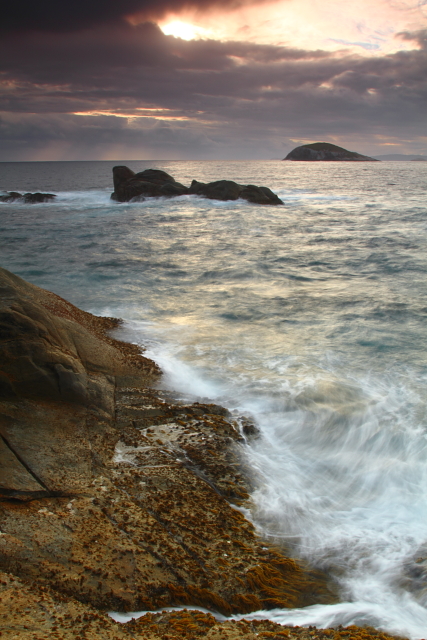
The Great Southern Region of Western Australia’s South West contains rolling pastoral landscapes, mountain ranges, rivers and streams, and forested cliffs abutting the seemingly relentless Southern Ocean. There are also delightful cosy coves, tranquil inlets, and calm bays – it is primarily a few portions of the stunning coast that I share in this photo-blog.


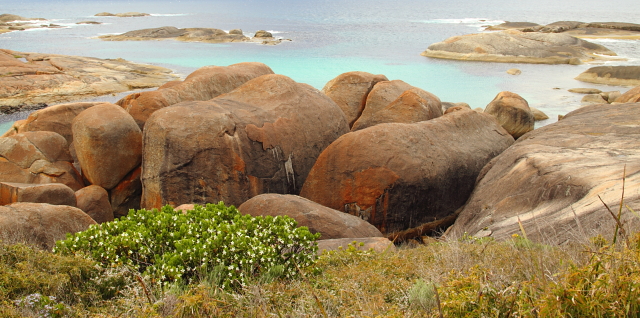
Aptly named “Elephant Rocks.”

Elephant Rocks 2AM-112553Canon 7D with Canon 24-105mm f/4 lens.© Andrew and Allison McInnes/2AM Photography. All rights reserved.

Elephant Rocks 2AM-112553
Canon 7D with Canon 24-105mm f/4 lens.
© Andrew and Allison McInnes/2AM Photography. All rights reserved.


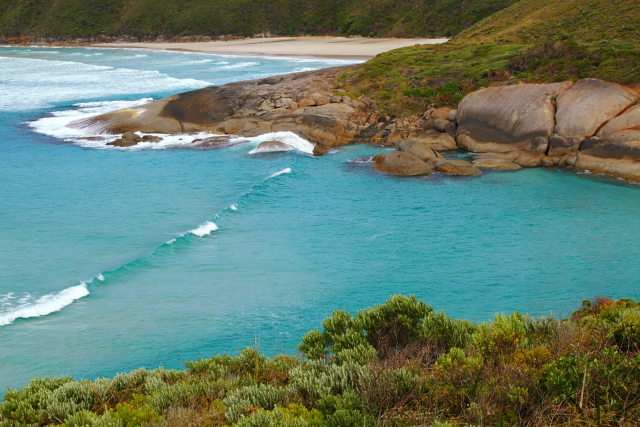
This is the lovely tranquil cove adjacent to (western side) Elephant Rocks.

Elephant Rocks - Denmark 2AM-112563Canon 7D with Canon 24-105mm f/4 lens.© Andrew and Allison McInnes/2AM Photography. All rights reserved.

Elephant Rocks – Denmark 2AM-112563
Canon 7D with Canon 24-105mm f/4 lens.
© Andrew and Allison McInnes/2AM Photography. All rights reserved.


Greens Pool, on the eastern side of Elephant Rocks, is rated one of Western Australia’s most idyllic beaches.

Greens Pool - Denmark 2AM-112593 Canon 7D with Canon 24-105mm f/4 lens.© Andrew and Allison McInnes/2AM Photography. All rights reserved.

Greens Pool 2AM-112593
Canon 7D with Canon 24-105mm f/4 lens.
© Andrew and Allison McInnes/2AM Photography. All rights reserved.


Winter rain approaches the tranquil and very torquoise Greens Pool.

Greens Pool 2AM-112550Canon 7D with Canon 24-105mm f/4L lens.© Andrew and Allison McInnes/2AM Photography. All rights reserved.

Greens Pool 2AM-112550
Canon 7D with Canon 24-105mm f/4L lens.
© Andrew and Allison McInnes/2AM Photography. All rights reserved.


Greens Pool - Denmark 2AM-112588Canon 7D with Canon 24-105mm f/4 lens.© Andrew and Allison McInnes/2AM Photography. All rights reserved.

Greens Pool 2AM-112588
Canon 7D with Canon 24-105mm f/4 lens.
© Andrew and Allison McInnes/2AM Photography. All rights reserved.


Greens Pool - Denmark 2AM-112591Canon 7D with Canon 24-105mm f/4 lens.© Andrew and Allison McInnes/2AM Photography. All rights reserved.

Greens Pool 2AM-112591
Canon 7D with Canon 24-105mm f/4 lens.
© Andrew and Allison McInnes/2AM Photography. All rights reserved.


Greens Pool - Denmark 2AM-112572Canon 7D with Canon 24-105mm f/4 lens.© Andrew and Allison McInnes/2AM Photography. All rights reserved.

Greens Pool 2AM-112572
Canon 7D with Canon 24-105mm f/4 lens.
© Andrew and Allison McInnes/2AM Photography. All rights reserved.


Greens Pool 2AM-112587Canon 7D with Canon 24-105mm f/4 lens.© Andrew and Allison McInnes/2AM Photography. All rights reserved.

Greens Pool 2AM-112587
Canon 7D with Canon 24-105mm f/4 lens.
© Andrew and Allison McInnes/2AM Photography. All rights reserved.


A light-painting amidst a cold winter rain – Wilson Inlet.

Wilson Inlet 2AM-112649_7D

Wilson Inlet 2AM-112649
Canon 7D with Canon 24-105mm f/4 lens.
© Andrew and Allison McInnes/2AM Photography. All rights reserved.


Sunset near “The Gap” and “Natural Bridge.”

The Gap 2AM-112517Canon 7D with Canon 24-105mm f/4 lens plus Cokin Z-pro Graduated Neutral Density filters.© Andrew and Allison McInnes/2AM Photography. All rights reserved.

The Gap 2AM-112517
Canon 7D with Canon 24-105mm f/4 lens.
© Andrew and Allison McInnes/2AM Photography. All rights reserved.


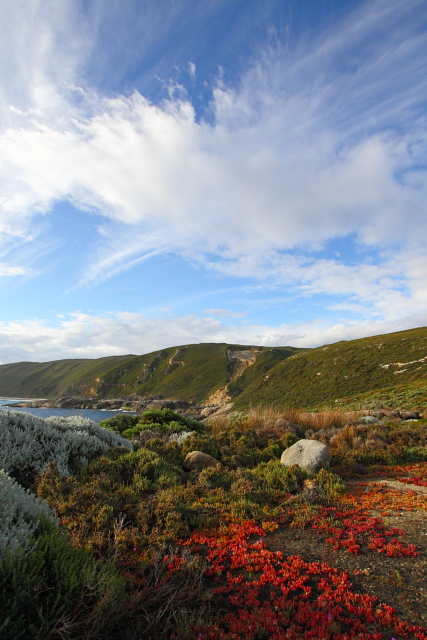
Coastal wildflowers and scrub near “The Gap” and “Natural Bridge.”

The Gap 2AM-30178Canon 7D with Canon 10-22mm f/3.5-4.5 lens.© Andrew and Allison McInnes/2AM Photography. All rights reserved.

The Gap 2AM-30178
Canon 7D with Canon 10-22mm f/3.5-4.5 lens.
© Andrew and Allison McInnes/2AM Photography. All rights reserved.


A lovely gentle swell enters Lowlands Beach.

Lowlands Beach 2AM-112540Canon 7D with Canon 24-105mm f/4 lens.© Andrew and Allison McInnes/2AM Photography. All rights reserved.

Lowlands Beach 2AM-112540
Canon 7D with Canon 24-105mm f/4 lens.
© Andrew and Allison McInnes/2AM Photography. All rights reserved.


Calcium Carbonate structures from Western Australia.

This photo-blog shows some of the unique calcium carbonate structures we saw on our brief but wonderful 10 days of exploring parts of Western Australia. Hope you find it interesting and “pretty”.

All images Copyright © Andrew and Allison McInnes/2AM Photography. All rights reserved.
If you are interested in purchasing any of my images please scroll to the “Purchasing Images” tab at the top of the page and it will provide a link to my “shop.”

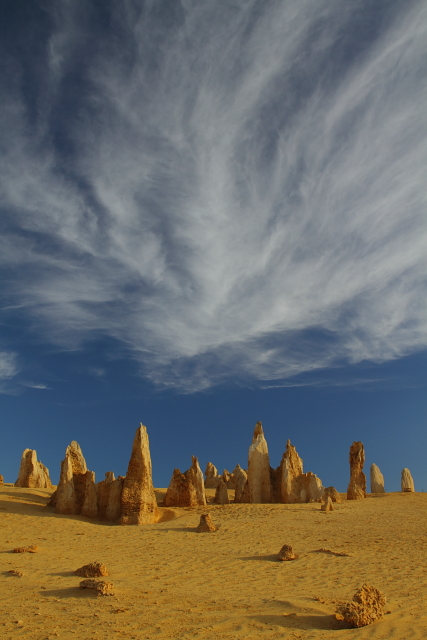
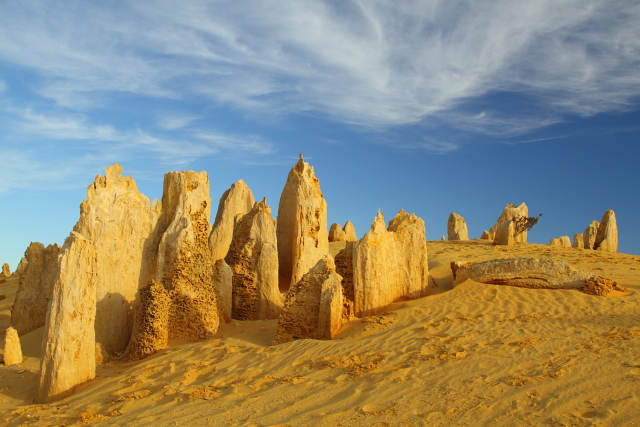
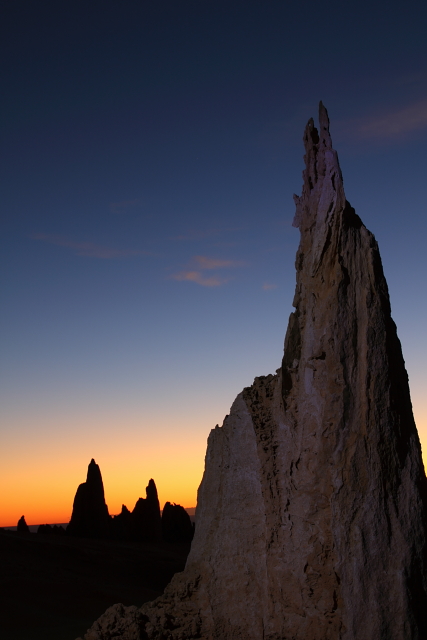
First, here are a few images of limestone pillars known as the Pinnacles Desert in Nambung National Park, near Cervantes, Western Australia. These spires exist up to 3.5m tall (11.5 feet). We were forunate to experience these fascinating structures in conjunction with a simple yet glorious sunset.


The Pinnacles 2AM-111015
Canon 7D with Canon 24-105mm f/4 lens. f8 for 1/250 second at ISO 250.
© Andrew and Allison McInnes/2AM Photography. All rights reserved.


The Pinnacles 2AM-111018
Canon 7D with Canon 24-105mm f/4 lens. f8 for 1/160 second at ISO 250.
© Andrew and Allison McInnes/2AM Photography. All rights reserved.


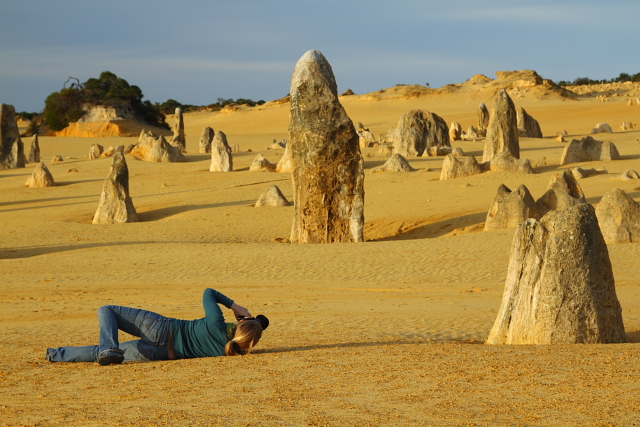
Here is one for scaling purposes – the model is actually 1/2 of 2AM (the missus), “getting down amongst ’em.”

The Pinnacles 2AM-111023
Canon 7D with Canon 24-105mm f/4 lens. f8 for 1/125 second at ISO 250.
© Andrew and Allison McInnes/2AM Photography. All rights reserved.
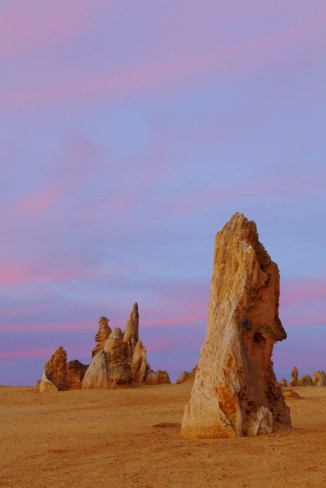
 

The Pinnacles 2AM-111050
Canon 7D with Canon 24-105mm f/4 lens. f5.6 for 1/15 second at ISO 100.
© Andrew and Allison McInnes/2AM Photography. All rights reserved.


The Pinnacles 2AM-111062
Canon 7D with Canon 24-105mm f/4 lens. f5.6 for 1.3 seconds at ISO 100.
© Andrew and Allison McInnes/2AM Photography. All rights reserved.


The Pinnacles 2AM-29302
Canon 30D with Canon 10-22mm f/3.5-4.5 lens. f7.1 for 1/20 secondd at ISO 100.
© Andrew and Allison McInnes/2AM Photography. All rights reserved.


The Pinnacles 2AM-111069
Canon 7D with Canon 24-105mm f/4 lens. f11 for 3.2 seconds at ISO 100.
A little light-painting on this one.
© Andrew and Allison McInnes/2AM Photography. All rights reserved.
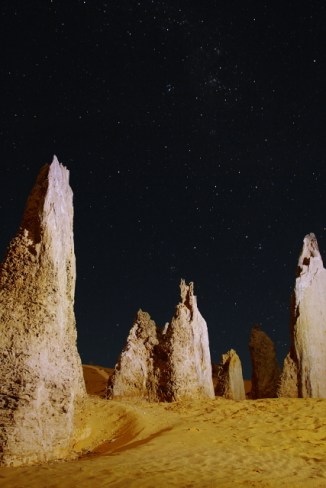
 

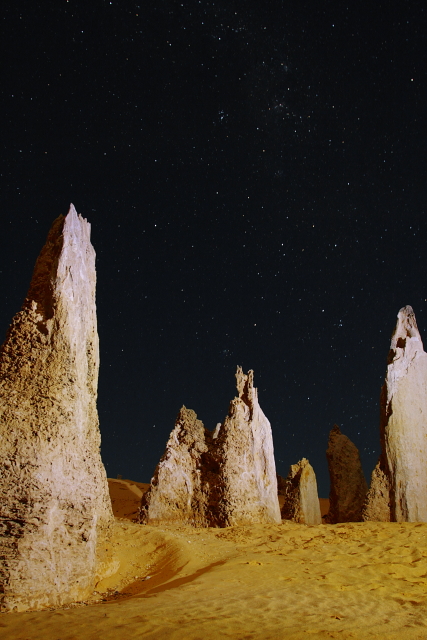
The Pinnacles 2AM-111083
Canon 7D with Canon 24-105mm f/4 lens. f11 for 3.2 seconds at ISO 100.
Southern stars and a full light-painting job on this one.
© Andrew and Allison McInnes/2AM Photography. All rights reserved.


The next series shows Thrombolites at Lake Clifton, Western Australia – the largest reef of living thrombolites in the southern hemisphere. Thrombolitic structures have an internal clotted structure (as opposed to those that have a laminated organisation, which are stromatolitic – next series of images) and are formed through precipitation of calcium carbonate within the microenvironment by microbes as a result of photosynthetic and metabolic activity (source: Hilary Wheater, “Thrombolites of Lake Clifton.” 2010).


Thrombolites – Lake Clifton 2AM-110904
Canon 7D with Canon 24-105mm f/4 lens. f11 for 1/50 second at ISO 100.
© Andrew and Allison McInnes/2AM Photography. All rights reserved.


Thrombolites – Lake Clifton 2AM-110899
Canon 7D with Canon 24-105mm f/4 lens. f11 for 1/60 second at ISO 100.
© Andrew and Allison McInnes/2AM Photography. All rights reserved.


Thrombolites – Lake Clifton 2AM-110898
Canon 7D with Canon 24-105mm f/4 lens. f11 for 1/13 second at ISO 100.
© Andrew and Allison McInnes/2AM Photography. All rights reserved.


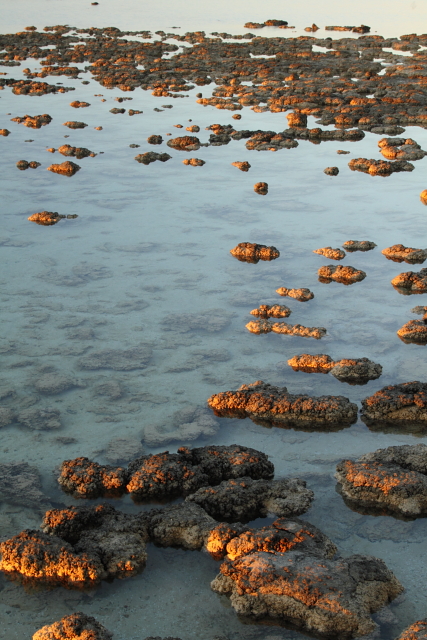
Lastly, this series shows Stromatolites (living), the world’s oldest organisms, at Hamlin Pool in Shark Bay, Western Australia – a hyper-saline environment.  Similar to thrombolites, these rock-like structures are layered accretionary structures formed in shallow water by the trapping, binding and cementation of sedimentary grains by biofilms of microorganisms, especially cyanobacteria (commonly known as blue-green algae). Stromatolites provide some of the most ancient records of life on Earth. Shark Bay’s stromatolites are only 2,000 to 3,000 years old, but they are similar to life forms found on Earth up to 3.5 billion years ago. Until about 500 million years ago, stromatolites were the only macroscopic evidence of life on the planet. (sources: Wikipedia; Sharkbay.org)


Stromatolites – Hamlin Pool 2AM-111117
Canon 7D with Canon 24-105mm f/4 lens. f11 for 1/40 second at ISO 500.
© Andrew and Allison McInnes/2AM Photography. All rights reserved.
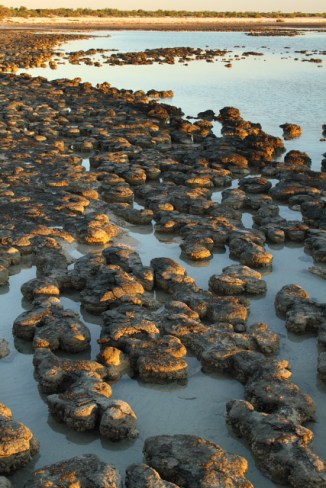
 

Stromatolites – Hamlin Pool 2AM-111123
Canon 7D with Canon 24-105mm f/4 lens. f11 for 1/15 second at ISO 500.
© Andrew and Allison McInnes/2AM Photography. All rights reserved.
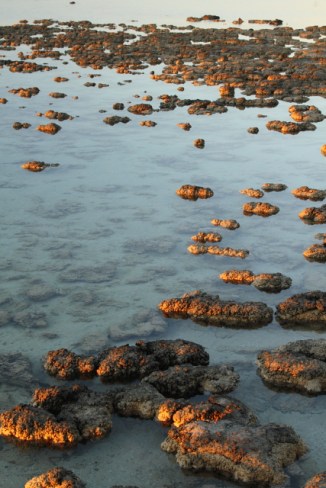
 

Stromatolites – Hamlin Pool 2AM-111132
Canon 7D with Canon 24-105mm f/4 lens. f11 for 1/10 second at ISO 500.
© Andrew and Allison McInnes/2AM Photography. All rights reserved.


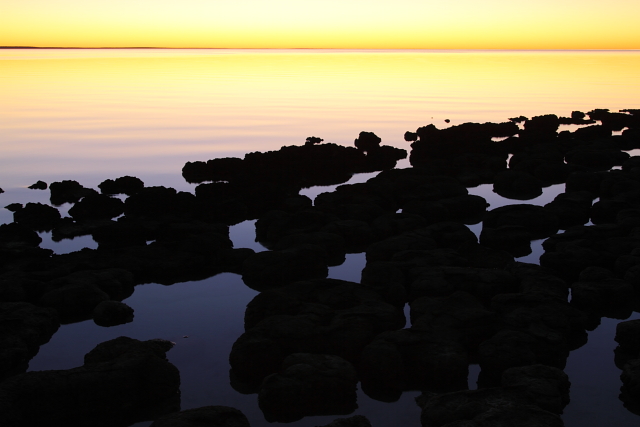
These next three are more about the magnificent sunset and silky smooth waters – an absolutely immaculate evening!

Stromatolites – Hamlin Pool 2AM-111143
Canon 7D with Canon 24-105mm f/4 lens. f11 for 1/125 second at ISO 500.
© Andrew and Allison McInnes/2AM Photography. All rights reserved.
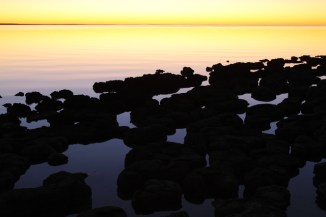
 

Stromatolites – Hamlin Pool 2AM-111187
Canon 7D with Canon 24-105mm f/4 lens. f5.6 for 0.6 second at ISO 100.
© Andrew and Allison McInnes/2AM Photography. All rights reserved.
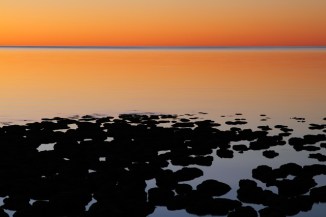
 

Stromatolites – Hamlin Pool 2AM-111193
Canon 7D with Canon 24-105mm f/4 lens. f5.6 for 1.3 seconds at ISO 100.
© Andrew and Allison McInnes/2AM Photography. All rights reserved.


More photo’s from Western Australia to follow, including Emu Creek Station, Kalbarri National Park, and Karinjini National Park.

Comments welcomed.

Bye for now.


Recent shots from surrounding area.
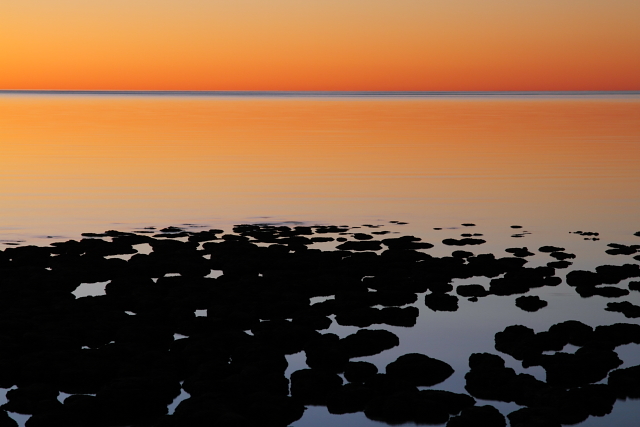
Per a previous “encouragement” by my photography mentor – Wyman Meinzer – to see the beauty where I am, I have been trying to shoot several times each week, regardless of the weather, wind, and anthropomorphic elements cluttering the scene. I figure I better just run with what there is to capture. Here is an assortment which I hope you enjoy.

I reckon you weren't expecting this though! Perhaps Deere & Company would like this one for their advertising? Wishful thinking.


More tractors heading out from the Port of Galveston.


Wetlands proximal to our neighborhood (same area in previous blog: "blessed-rain...").


Same area as above but this time I was going for the "African Serengeti" feel (ignore the modern looking "huts").


Serengeti 'ish. (Smith Point, Galveston Bay).


The view from our back deck/porch - it seems it hasn't been calm for months. The glow on the clouds is a result of Texas City petrochemical plants - thankfully we are located upwind of this.


These lovely White Pelicans are only in the area while they overwinter.


White Pelican preening.


Nearby Brazoria National Wildlife Refuge (BNWR). This area was, until very recently, dry enough to run a tractor and plow through. However, the Houston area has received in excess of 11 inches of rain for the first 8 weeks or so of 2012.


BNWR again.


Endangered Kemp's Ridley sea turtle in rehabilitation at Texas A&M University at Galveston's Sea Life Facility.


Kemp's Ridley sea turtle (same individual as above).


Cold and foggy morning at Texas A&M University at Galveston campus.


Definitely NOT the Serengeti. This is the same shrimp boat featured in a previous blog ("Texas City Dusk..."). I was limited on time and the clouds were starting to look wonderful so chose to re-shoot the trawler.


Simple but interesting to me.


Sunrise and an offshore rig in Galveston Ship Channel.


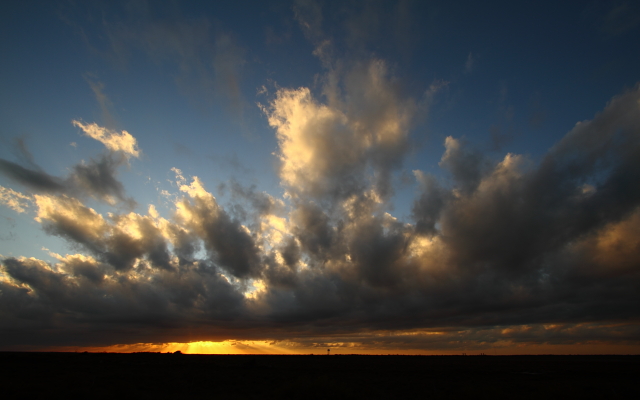
Atmospheric clouds - as opposed to the cloud of swarming mosquitos as the missus' and I tried to enjoy a cold beverage watching these clouds and the dusk.


I took this picture on Valentine's Day of two red-eared slider's "smooching" (please indulge my foray into anthropomorphism) - must be a real "toe-curler" of a kiss (check out the right-rear foot of the big one on the right).


Texas City Dusk – beauty in unusual places

My photography mentor, Wyman Meinzer, has encouraged me to see the beauty where I am. Here are some images from a quick evening shoot on the Texas City Dike.

"Trawler Tranquility". Canon EOS 7D with Canon EF-S10-22mm f/3.5-4.5 lens. f22 for 30 seconds at ISO 100.


"Painted Trawler" - light painting. Canon 7D with Canon EF-S10-22mm f/3.5-4.5 lens. f5 for 30 seconds at ISO 400.


"Shiny Refinery #1". Canon 30D with Canon 100-400mm f/4.5-5.6L lens. f13 for 15 seconds at ISO 100.


"Shiny Refinery #2". Canon 30D with Canon 100-400mm f/4.5-5.6L lens. f13 for 15 seconds at ISO 100.


"Shiny Refinery #3". Canon 30D with Canon 100-400mm f/4.5-5.6L lens. f8 for 2 seconds at ISO 250.


"Texas City Twilight." Canon 7D with Canon 10-22mm f3.5-4.5 lens. f14 for 1.3 seconds at ISO 200.


"Shadow Paining." Canon 7D with Canon 10-22mm f3.5-4.5 lens. f6.3 for 30 seconds at ISO 200. This image is a light painting of the pilings and the refinery lights created these appealing shadows/patterns.


Blessed Rain: dusk from “Scenic Galveston” site, Galveston County

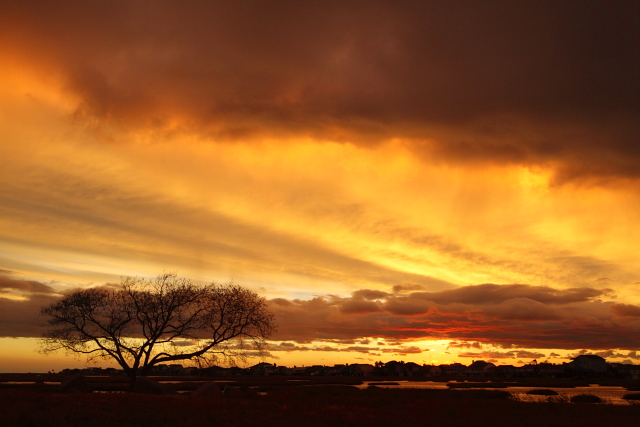
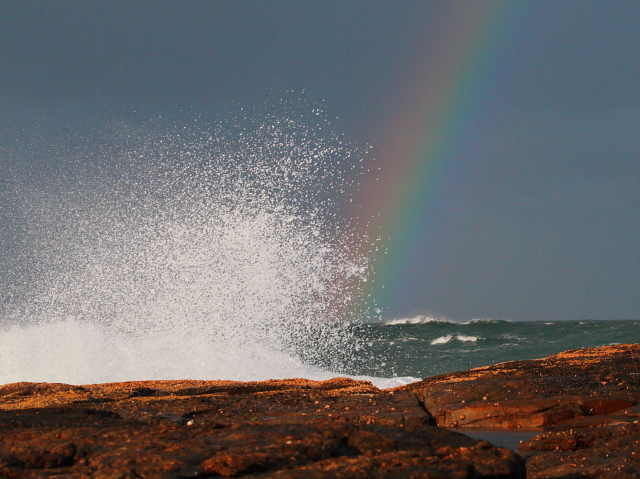
Ah, finally some precipitation – only recorded 1/2″ but the light was phenomenal as a band of clouds and associated winds caressed the evening.


Rain over the salt-marsh. Canon 7D with Canon EF-S 10-22mm f/3.5-4.5 lens at ISO 1000 (the wind was absolutely howling, very nearly blowing the tripod, and me, over).


Wind and clouds over spartina. Canon 7D with Canon EF-S 10-22mm f/3.5-4.5 lens at ISO 1000 (again, the wind was making it very challenging to stand, let alone keep the camera steady).


Granite, grass, clouds, and color... a glorious evening. Canon 7D with Canon EF-S 10-22mm f/3.5-4.5 lens at ISO 500 (a little respite from the breeze).


Vibrant hues over Bayou Vista. Canon 7D with Canon EF-S 10-22mm f/3.5-4.5 lens at ISO 800


A smattering of scenics (and other “pretty” things).

Here are just a few images, primarily scenic, but also some other “pretty things”, from Australia, Belize, Kazakhstan, and the USA.

A few from Australia to start with.

Atherton Tablelands, QLD.


Melaleuca trees, QLD.


Atherton Tablelands, QLD.


Iluka, NSW.


Iluka, NSW.


The view from our hut (10.5′ x 10.5′) when we lived on an atoll, 30 miles offshore Belize.

Little Calabash Caye, Turneffe Atoll, Belize.


The color in this image on the Caspian Sea (Kazakhstan) is due to light interacting with dust particles blown off the surrounding desert – lots of nutrients for primary production in this sea.

Caspian Sea, Kazakhstan.


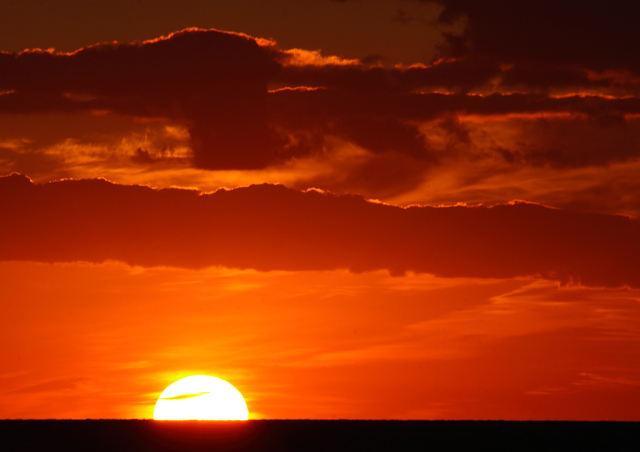
The remaining images are from the USA. This is a Gulf of Mexico sunset.

Florida, USA


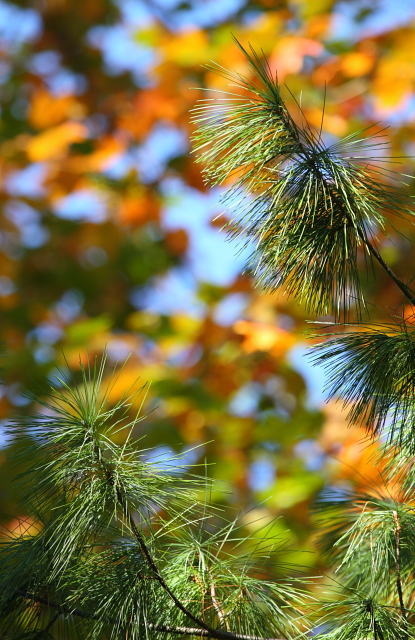
Fall color in Tennessee.

Knoxville, Tennessee, USA.


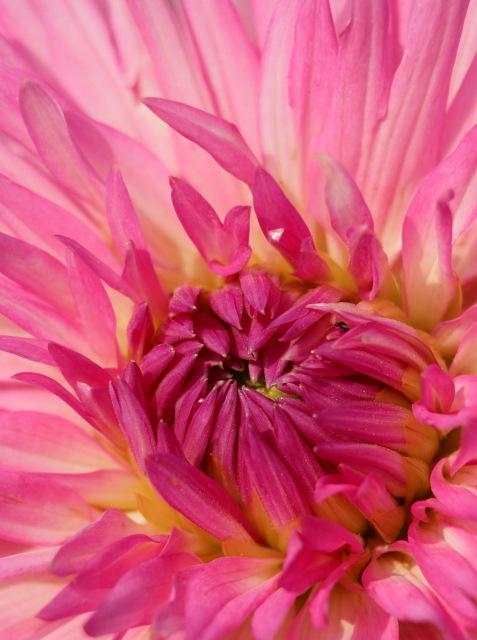
A dahlia in our garden (Texas).

Near Galveston, Texas, USA.


I like to garden.

Knoxville, Tennessee, USA.


The following three images are in Knox County, Texas.

Texas, USA.


Texas, USA.


Texas, USA.


Wildflowers in the Texas hill country.

Texas, USA.


Salt flat in west Texas.

Texas, USA.


Another in Texas.

Texas, USA.


Christmas in the Smoky Mountains, Tennessee (times two).

Great Smoky Mountains National Park, Tennessee, USA.


Great Smoky Mountains National Park, Tennessee, USA.


Two sunsets on Bolivar Peninsula, Texas, approximately 18 months after Hurricane Ike swept through.

Bolivar Peninsula, Texas, USA.


Bolivar Peninsula, Texas, USA.


Sunset over the refineries of Texas City. Shot from the east end of Galveston Island.

Texas City, Texas, USA.


Brazos Bend State Park, Texas.

Brazos Bend State Park, Texas, USA.


The “Roaring Lion” (Brazos River) is dry!

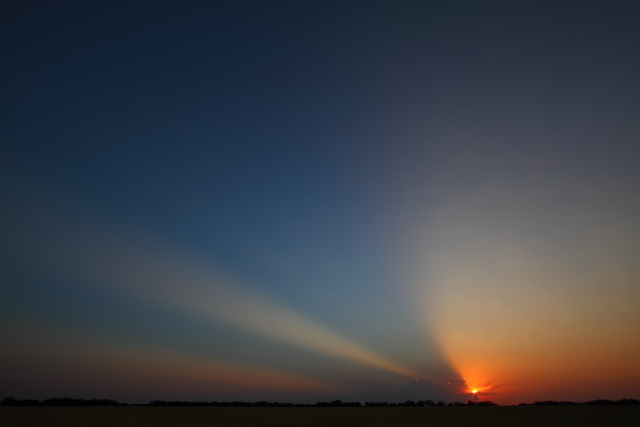
A southern plains dawn - radiating radiation above a wheat field abutting the Brazos riparian zone.


As the sun awakes
 and pokes its head out from under its bedcovers, caressing me with a startling, crisp, and clear light, I ponder and reflect on open spaces, friends, dreams, and the joy of a life intimately shared.

I recently travelled up to the upper section of the Brazos River to photograph it in its current very-low-flow regime. My host and guide was the fabulous photographer, and Texas treasure, Wyman Meinzer. This sunrise image was taken on our last morning shoot. I was very fortunate to test my latest lens, the Canon EF-S 10-22mm f/3.5-4.5 USM autofocus lens for my 7D camera – I am delighted with it!

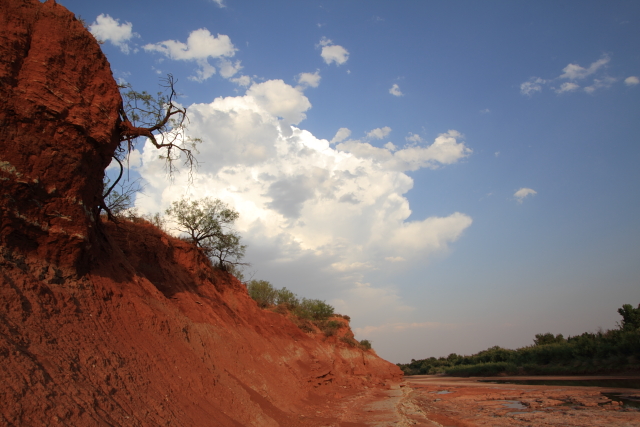
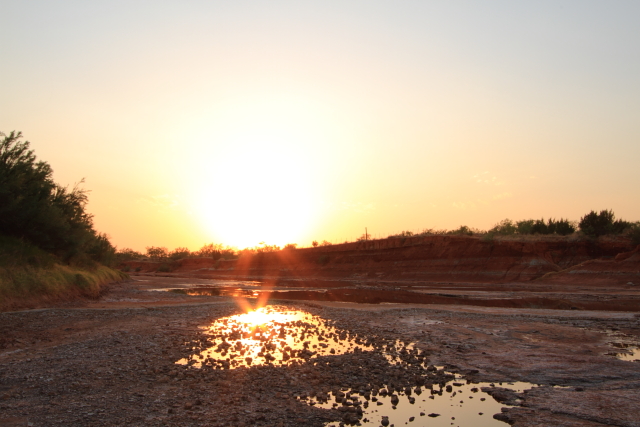
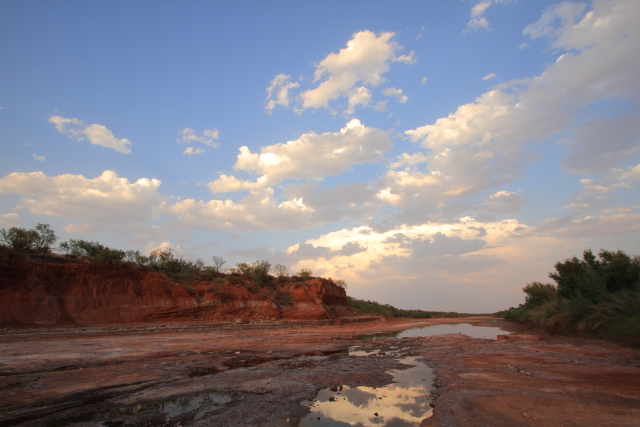
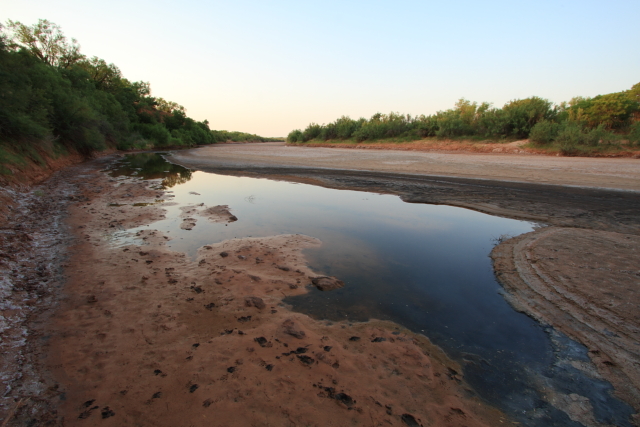
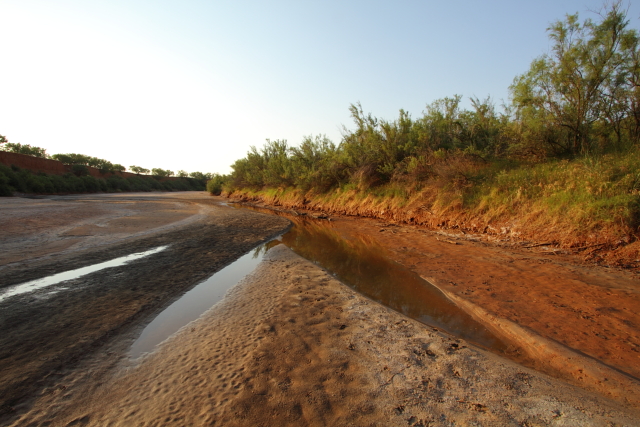
The following images are a sample through which the severity of this historic drought can be partially comprehended. Seeing the river in this state illustrated that these natural systems are indeed “living”, and not a static, benign, undepletable featureless feature.

Please note: the water shown in these photos are actually isolated, shallow, and unconnected “pockets” of very hot, highly saline, and by my estimation hypoxic/anoxic stagnant water. The river no-longer (for now at least) cuts a swath through this gorgeous red land. Instead of a red load we see a red-bed caked and crusted with concentrations of organics and crystals of salt – this is gypsum country.


Despite the dry
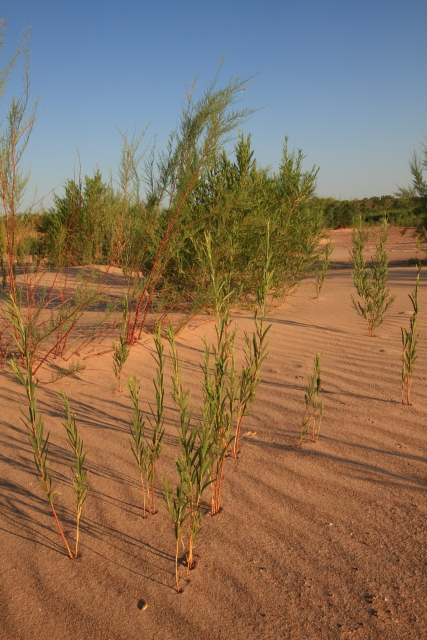
I am reminded that nature possesses a resounding resilience; natural processes and time, along with selection pressures and genetic diversity, allow adaptability, specialists and generalists, transition, recolonization, and succession – the river system still sustains life.


Someday
(hopefully very soon as many fine hard-working folks, along with flora and fauna, are enduring challenging times) the Brazos will rear up and roar again; at that time the rust colored strata will cease to be dust, instead, renewed by glistening life-flows, the southern plains shall be resuscitated and exuberant in the water of life.