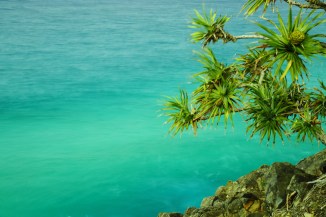
Cabarita Beach 2AM-008398
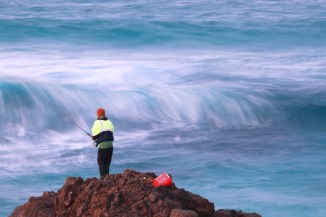
Hastings Point 2AM-002294

Hastings Point 2AM-008417
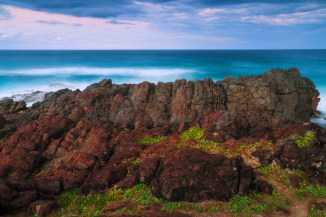
Hastings Point 2AM-008447

Norries Head 2AM-002279
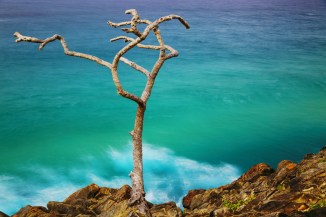
Norries Head 2AM-008392
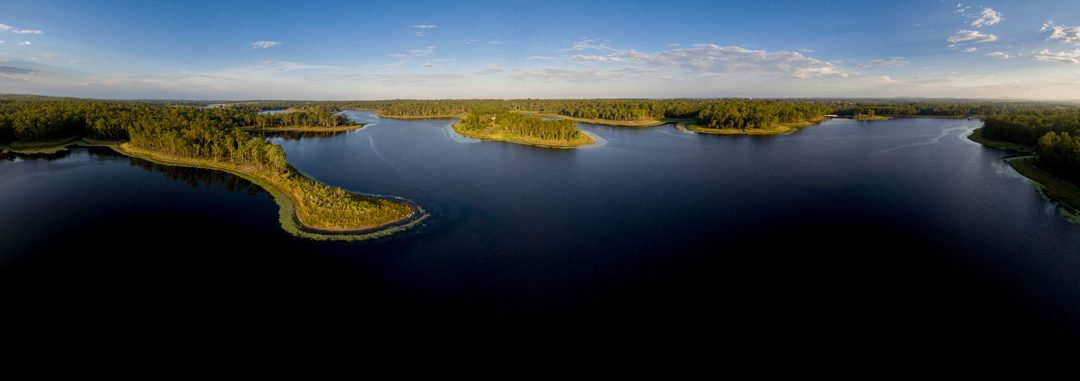
Cabarita Beach 2AM-008398
Hastings Point 2AM-002294
Hastings Point 2AM-008417
Hastings Point 2AM-008447
Norries Head 2AM-002279
Norries Head 2AM-008392
Some images from Austinmer in the northern Illawarra area of New South Wales, Australia.
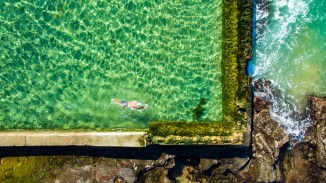
Austinmer 2AM-000069

Austinmer 2AM-000076

Austinmer 2AM-000072

Austinmer Sunrise 2am-003460
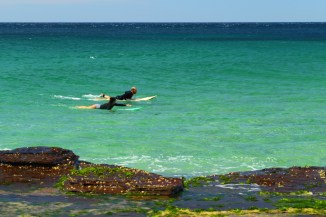
Austinmer Surfers 2am-009661
Cheers 🙂
A recent overnight visit to Iluka and we were presented with a considerable storm system and some fantastic, and rapidly changing, light.

Iluka 2AM-003104 ©Andrew McInnes. All Rights Reserved.
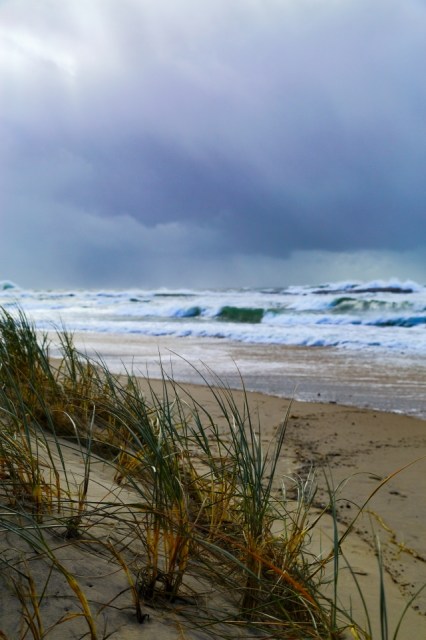
Iluka 2AM-003105 ©Andrew McInnes. All Rights Reserved.
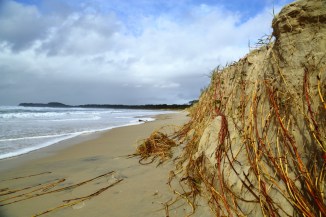
Iluka 2AM-003107 ©Andrew McInnes. All Rights Reserved.

Iluka 2AM-003114 ©Andrew McInnes. All Rights Reserved.
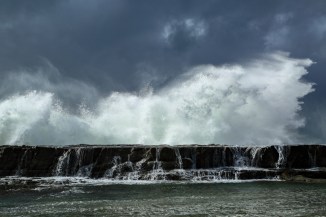
Iluka 2AM-003127 ©Andrew McInnes. All Rights Reserved.
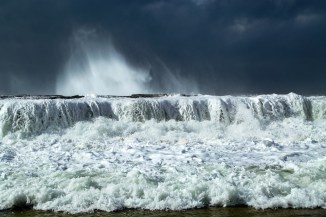
Iluka 2AM-003118 ©Andrew McInnes. All Rights Reserved.

Iluka 2AM-003147 ©Andrew McInnes. All Rights Reserved.

Iluka 2AM-003152 ©Andrew McInnes. All Rights Reserved.
Cheers 🙂
A very powerful weather system is impacting a considerable portion of the east coast of Australia this weekend. Here is the Bureau of Meteorology link and the ABC link.
Here are three images: the first is an aerial image (drone) at Scarborough showing clear weather conditions before the system began to directly impact this section of the Illawarra Coast, and the remaining two images from Bald Hill show the first wave of weather making its way to the coast.

Scarborough-2AM-0014. ©Andrew McInnes. All Rights Reserved.

Bald Hill 2AM 2771-2772 Panorama. ©Andrew McInnes. All Rights Reserved.
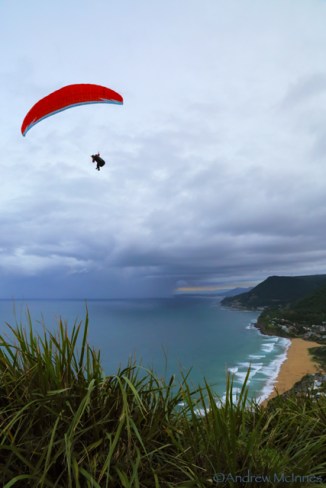
Bald Hill 2AM-002769. ©Andrew McInnes. All Rights Reserved.
Here’s to hoping the farmers and graziers get good rain where needed.
Day 7 – The spectacular Catlins area, South Island – New Zealand.
Spectacular, diverse, ever-changing – we drove through beautiful rural scenes, along a rugged coast, saw a few more yellow-eyed penguins, sea lions, a couple of lighthouses, and low tide allowed us to walk among a 180 million year old petrified Jurassic forest – one of only three such accessible fossil forests in the world! All this and so much more we couldn’t fit in 😦
Nugget Point Lighthouse, built in 1869-70. A place of spectacular views, many rocky islets (The Nuggets), and much wildlife.
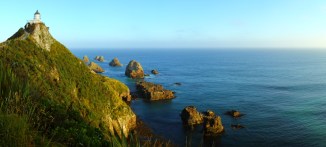
Nugget Point Lighthouse 2AM-0379-0744 panorama. ©Andrew McInnes
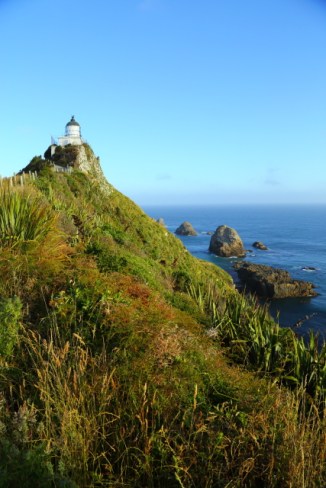
Nugget Point Lighthouse 2AM-000749. ©Andrew McInnes

Nugget Point Lighthouse 2AM-000754. ©Andrew McInnes

Nugget Point Lighthouse 2AM-000775. ©Andrew McInnes
To be able to view, and even walk among a petrified forest in the intertidal zone at low tide was remarkable. There are both stumps and fallen trees, petrified, with some growth rings plainly visible. This is but a sampling of the numerous specimens at Curio Bay.
Curio Bay is of international significance for its fossilised forest dating back to the Jurassic period. The tree fossils you see here are 160 million years old and the forest was alive when New Zealand was part of Gondwanaland. (source: The Catlins New Zealand website).

Petrified Forest – Curio Bay 2AM-000635. ©Andrew McInnes

Petrified Forest – Curio Bay 2AM-000631. ©Andrew McInnes

Petrified Forest – Curio Bay 2AM-000634. ©Andrew McInnes

Petrified Forest – Curio Bay 2AM-000665. ©Andrew McInnes

Petrified Forest – Curio Bay 2AM-000656. ©Andrew McInnes
Four images of the Waipapa Point Lighthouse. This is the site of New Zealand’s worst civilian shipwreck. In 1881 the SS Tararua ran aground on Waipapa Reef and 131 of 151 passengers and crew died. The lighthouse, built after the disaster, stands as a poignant reminder. (source: Southern Scenic Route website).

Waipapa Point Lighthouse 2AM-000600. ©Andrew McInnes

Waipapa Point Lighthouse 2AM-000611. ©Andrew McInnes

Waipapa Point Lighthouse 2AM-000622. ©Andrew McInnes

Waipapa Point Lighthouse 2AM-000616. ©Andrew McInnes
I hope you enjoyed these images from a fascinating region of New Zealand.
Cheers 🙂
Days 5 and 6 – Moeraki and Dunedin.
Just outside the coastal town of Moeraki there are numerous large concretions, exposed and highly visible, lying along a stretch of Koekohe Beach. I thoroughly recommend reading more about them (here is a Wikipedia link).
Here are a series of images captured during our brief visit.
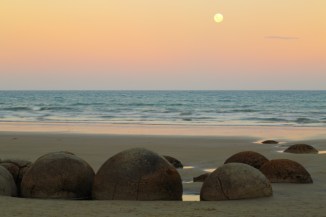
Moeraki Boulders 2AM-000526. ©Andrew McInnes

Moeraki Boulders 2AM-000500. ©Andrew McInnes

Moeraki Boulders 2AM-000496. ©Andrew McInnes
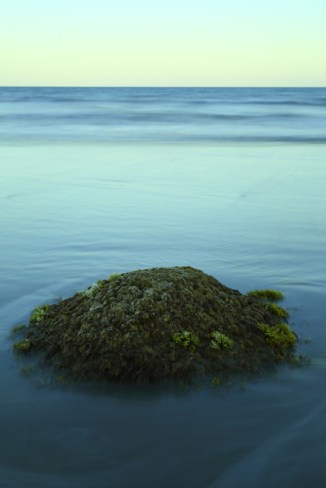
Moeraki Boulders 2AM-000517. ©Andrew McInnes
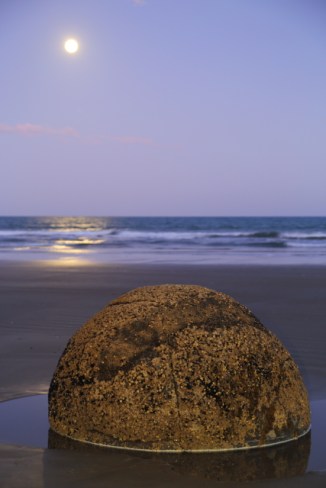
Moeraki Boulders 2AM-000533. ©Andrew McInnes

Moeraki Boulders 2AM-000549. ©Andrew McInnes
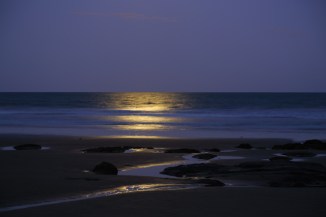
Moeraki Boulders 2AM-000538. ©Andrew McInnes
After a thoroughly enjoyable dinner washed down with a local amber ale at the Moeraki Tavern, I took these shots of the nearby harbour. We had hoped to also eat at the famed Fleurs Place restaurant another night but, alas, it was closed for a while over the Christmas break.
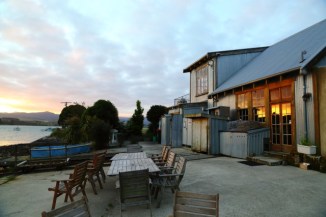
Fleurs Place – Restaurant 2AM-000598. ©Andrew McInnes

Moeraki Bay 2AM-000599. ©Andrew McInnes

Moeraki Bay 2AM-000593. ©Andrew McInnes

Moeraki Bay 2AM-000595. ©Andrew McInnes
A little further south is the city of Dunedin, where I have family heritage. We had a joyous visit with a cousin and her family, and she accompanied us on a lovely hike to see the Organ Pipes. “The Otago peninsula was formed entirely by volcanic activity and the tall polygonal columns featured on this walk are remnants of this past. As molten lava cooled slowly beneath the hardened crust, it contracted and formed geometrical cracks which propagated downwards as the mass cooled.” (source: NZ Tramper website).
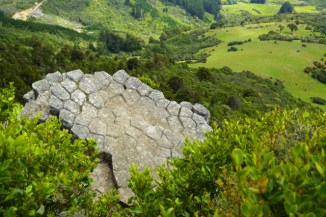
The Organ Pipes 2AM-000567. ©Andrew McInnes

The Organ Pipes 2AM-000576. ©Andrew McInnes

The Organ Pipes 2AM-000577. ©Andrew McInnes

The Organ Pipes 2AM-000578. ©Andrew McInnes
After the organ pipes we wanted to visit the world’s only mainland breeding colony of Royal Albatross so we ventured out to Taiaroa Head on the Otago Peninsula. Unfortunately we did not see any albatross, but there was a rather active colony of gulls. Whilst wandering along an observation path, we heard, then saw, quite an aerial commotion… upon further observation we saw a Black-backed Gull being harassed by several smaller gulls – the larger gull had apparently “kidnapped” a chick and was heading off with it. For those who may be a bit squeamish about natural history, the following two images may concern you.

Black-backed Gull 2AM-004861. ©Andrew McInnes

Black-backed Gull 2AM-004882. ©Andrew McInnes
Looking down the steep cliffs of Taiaroa Head I was entranced by bull kelp (Durvillaea species) as it seemingly twirled and shimmied in a whimsical tango with the ocean.

Overlooking the spit within Otago Harbour – our lunch spot on our way back to Moeraki.
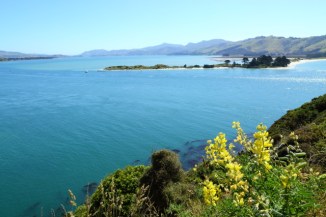
Harrington Point 2AM-000580. ©Andrew McInnes
Back to Mouraki, we were thrilled and fortunate to observe, up close, a few Yellow-eyed Penguins (Megadyptes antipodes)! These New Zealand endemics (native) are purported to be among the worlds rarest penguin species.

Yellow-eyed Penguin 2AM-004739. ©Andrew McInnes
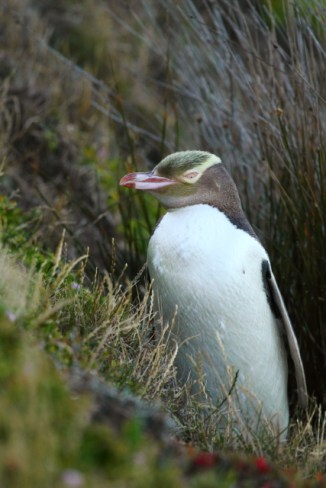
Yellow-eyed Penguin 2AM-004780. ©Andrew McInnes
Thanks for visiting – I hope you enjoyed these images.
Cheers 🙂
Last week (early December, 2015) we witnessed a wonderful series of lightning storms in the northern Illawarra area of New South Wales, Australia. Surrounded, but not underneath any particular cell, the light and drama at Austinmer and Wombarra was spectacular!
Here is a panorama of one of the lightning storm cells bathing Austinmer Beach in amazing light.

Austinmer 2AM 9850-9852 Panorama © Andrew McInnes
Stormy light over the Pacific, incorporating a little of Keswick House.

Keswick House 2AM 9854-9856 HDR © Andrew McInnes
Just a little further north is the village of Wombarra, from where the following three images were captured.

Wombarra Headland 2AM 9864-9866 Panorama © Andrew McInnes

Wombarra Headland 2AM 9867-9869 Panorama © Andrew McInnes
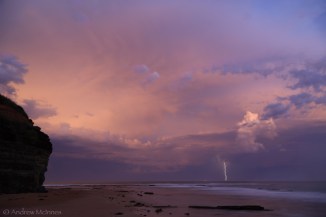
Wombarra Headland 2AM 9887-9888 stack © Andrew McInnes
The final two images include the Wombarra rock pool.
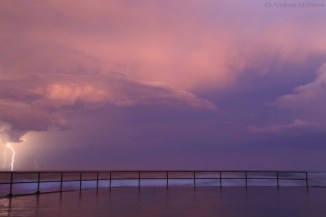
Wombarra Rock Pool 2AM 9900_9903 stack © Andrew McInnes

Wombarra Rock Pool 2AM 9913-9914 © Andrew McInnes
’twas a wonderfully dramatic sky, with quite the lightning show that was ongoing for quite some time. I hope you enjoyed these images.
Cheers 🙂
An assortment of subjects from the beach and intertidal zones near Iluka, NSW.
A winding path with a turn back – a gastropod trail in the sand.
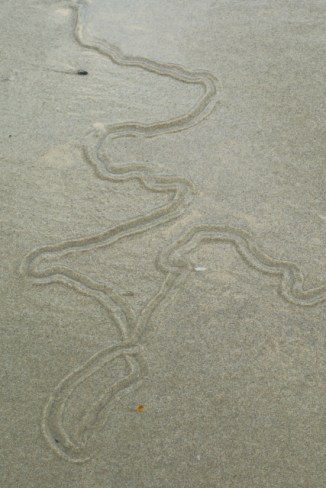
Beach Tracks 2AM-007195 © Andrew McInnes
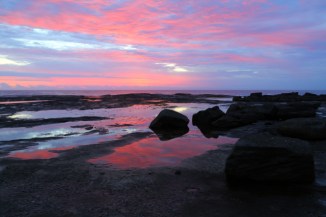
Iluka Dawn 2AM-007196 © Andrew McInnes

Dawn Fishing 2AM-009847 © Andrew McInnes
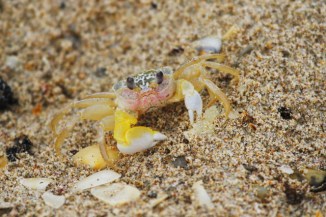
Ghost Crab 2AM-009873 © Andrew McInnes

Ecklonia radiata – kelp 2AM-007210 © Andrew McInnes

Neptune’s Necklace 2AM-007209 © Andrew McInnes
Cheers.
A spectacular stop along the Nullarbor Plain and Eyre Peninsula in the very western parts of South Australia- we rested here for a night and enjoyed being surrounded by lightning storms and their associated thumping thunder.

Nullarbor Cliffs 2AM 6514-6517 Panorama © Andrew McInnes. All Rights Reserved.
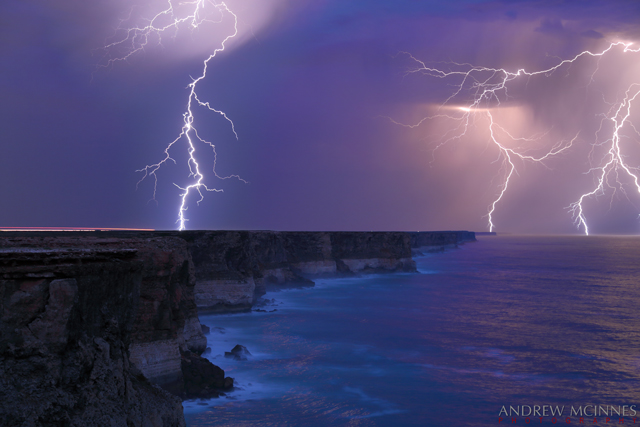
Nullarbor Cliffs 2AM 6526and6529and6543 stack. © Andrew McInnes. All Rights Reserved.

Nullarbor Cliffs 2AM-006542 © Andrew McInnes. All Rights Reserved.

Nullarbor Cliffs 2AM-006502 © Andrew McInnes. All Rights Reserved.

Nullarbor Cliffs 2AM-006487 © Andrew McInnes. All Rights Reserved.

Nullarbor Cliffs 2AM-006492 © Andrew McInnes. All Rights Reserved.

Nullarbor Cliffs 2AM-006495 © Andrew McInnes. All Rights Reserved.
This post contains images from my express visit to Coral Bay and Exmouth, Western Australia.
Ah, the tropics 🙂
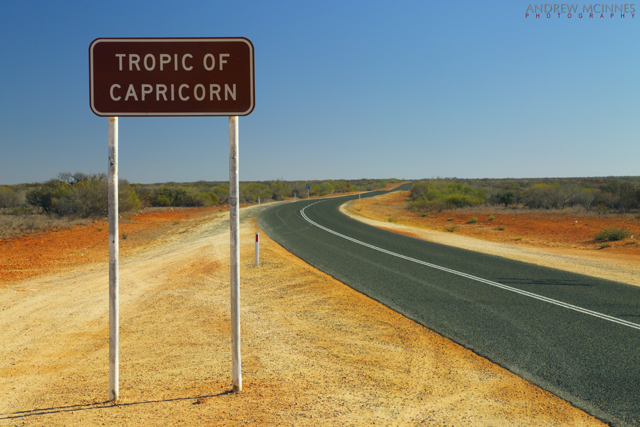
On the Minilya – Exmouth road. © 2014 Andrew McInnes.
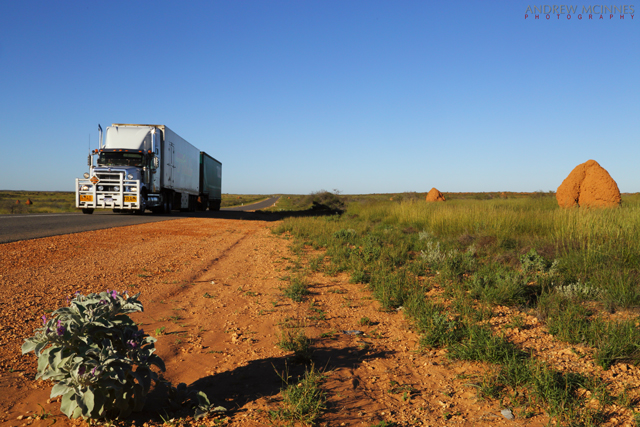
A ‘short’ road train delivers supplies to Exmouth. © 2014 Andrew McInnes.
These next three images are from Coral Bay – a stunning and simple place.
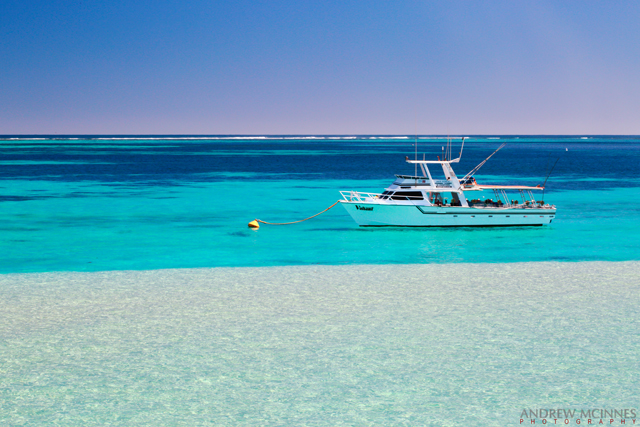
The front of the image is shallow water over a sand substrate; this then abruptly drops off into a deepish lagoon which is protected by Ningaloo Reef (Australia’s “other” reef) in the background. © 2014 Andrew McInnes.

A mooring line and buoy – the cerulean water deepens rapidly here, making for fantastic swimming. © 2014 Andrew McInnes.
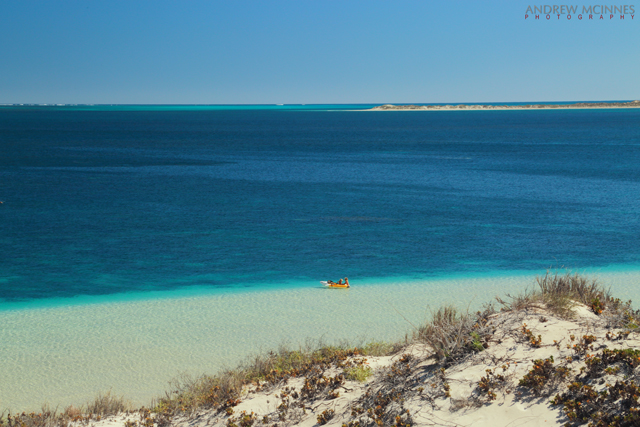
Two youths paddle in the tranquil waters behind Ningaloo Reef. © 2014 Andrew McInnes.
Unfortunately I only spent about 8 hours in Exmouth which is nowhere near sufficient. Nevertheless, here are some scenes of this fascinating area.

A light-painting of Yardie Creek (Cape Range National Park) during dusk’s blue hour. © 2014 Andrew McInnes.

Pebble Beach, Exmouth. © 2014 Andrew McInnes.
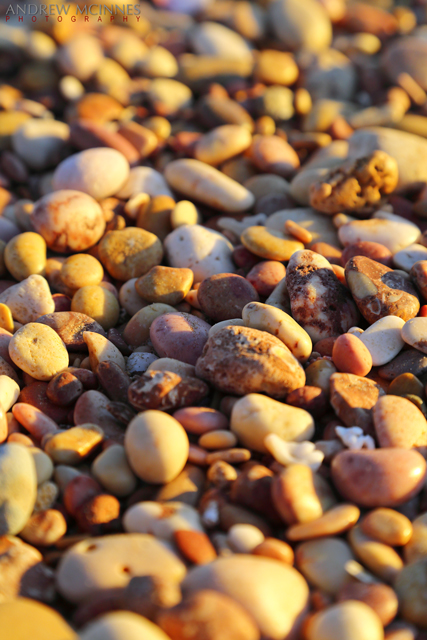
Pebble Beach, Exmouth. © 2014 Andrew McInnes.
A light-painting of the retired (non-functioning) Vlamingh Head Lighthouse – Exmouth. The evening air was thick with moisture from the Indian Ocean as it pounded Ningaloo Reef so I thought I’d make an image to suggest how the light from the lighthouse may have appeared to mariners of yore. During the 30 second exposure I mimicked a beam of light from the lighthouse by aiming my spotlight on the structure for a few seconds, allowing the moisture in the air to appear as a beam.
This image includes the Southern Cross (and pointers), along with a portion of the Milky Way.
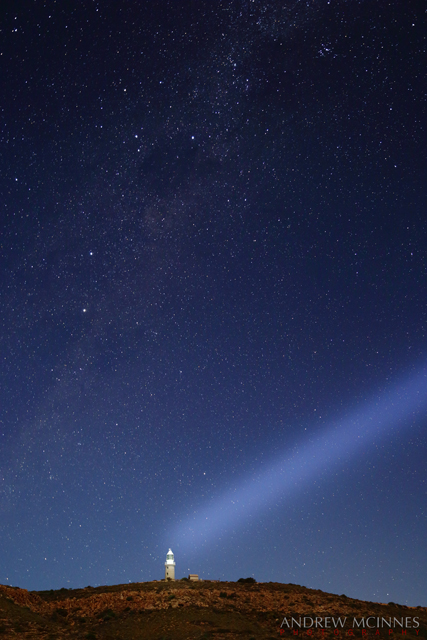
© 2014 Andrew McInnes.

Star trails caress the retired (non-functioning) Vlamingh Head Lighthouse – Exmouth, on a blustery and balmy autumn night. This is a stacked image consisting of 61 images (each image f4 for 30 seconds at ISO 800). © 2014 Andrew McInnes.
More posts from this road trip to follow this.
 Andrew McInnes Photography